
Last updated November 2, 2026
 Whole-home duct cleaning
 Dryer vent cleaning
 Camera inspection
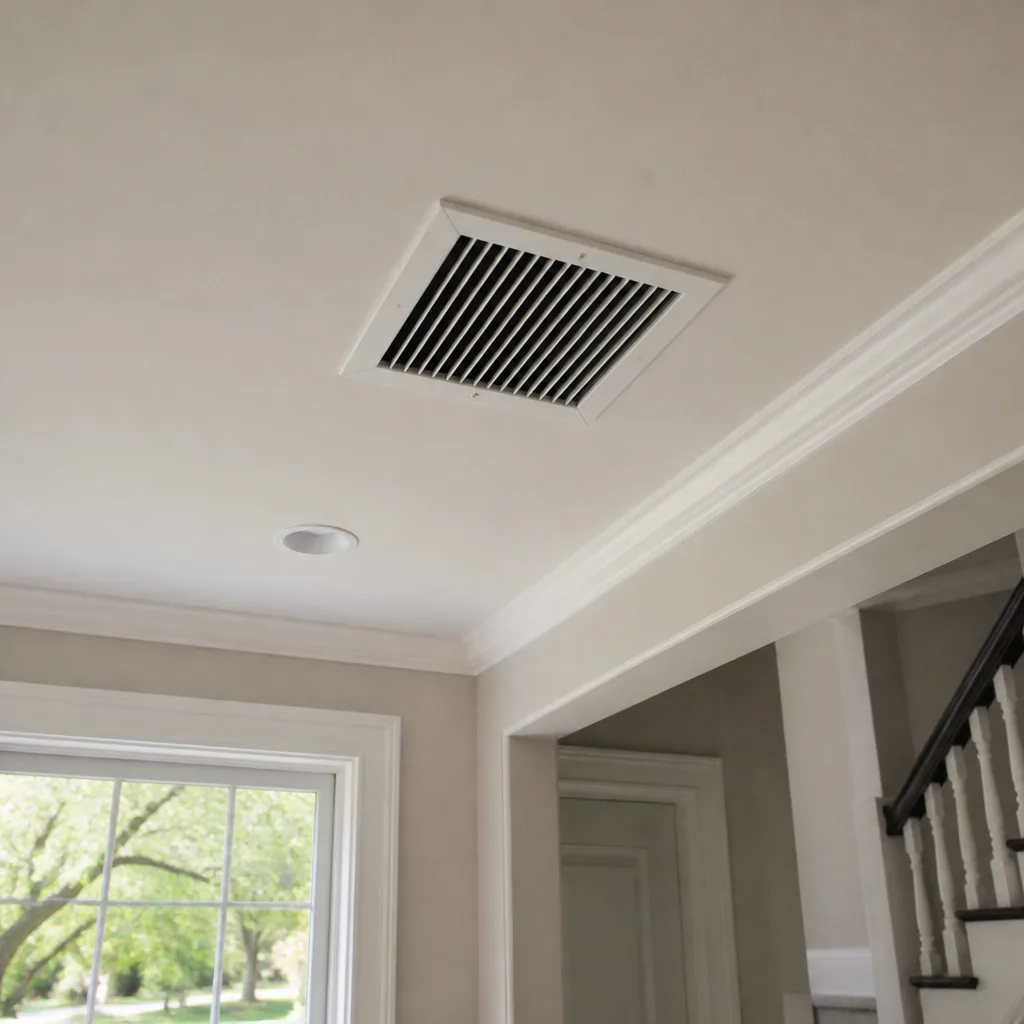 Sanitizing & deodorizing
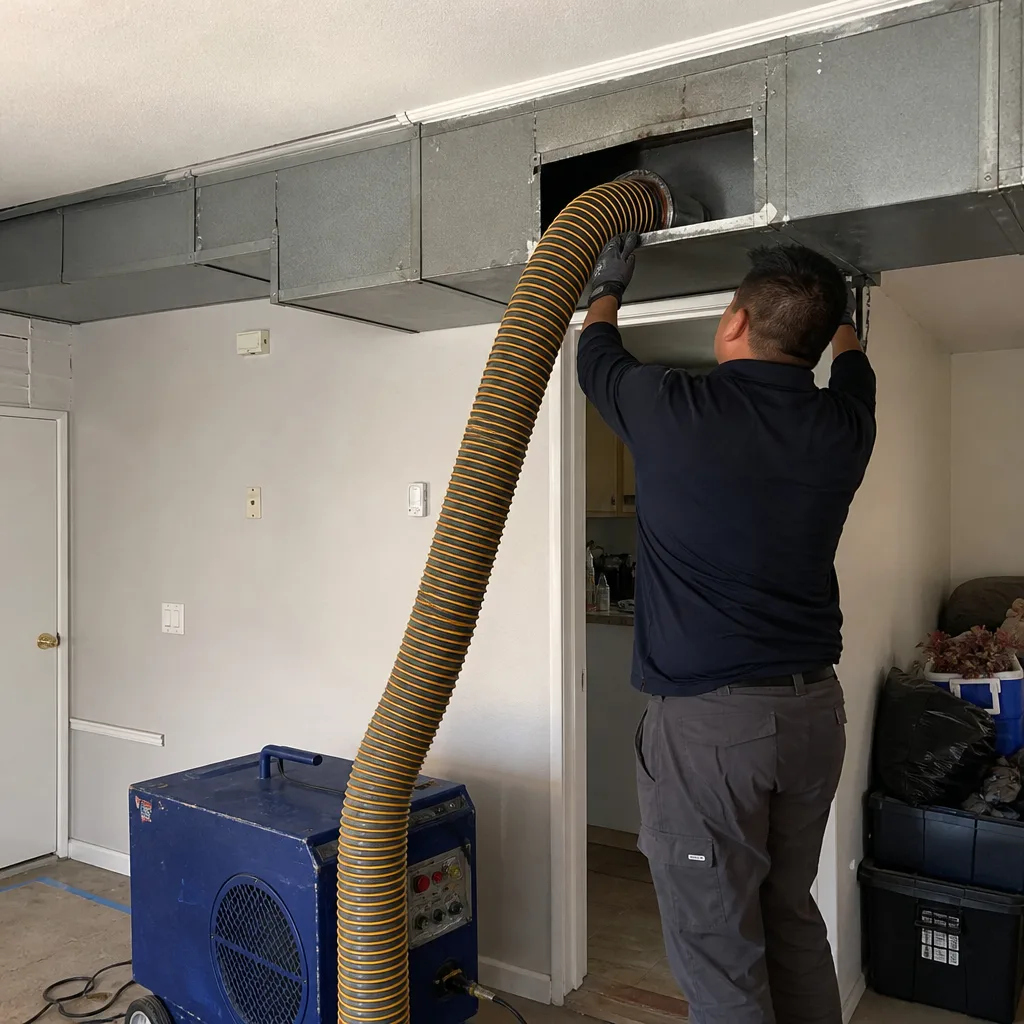
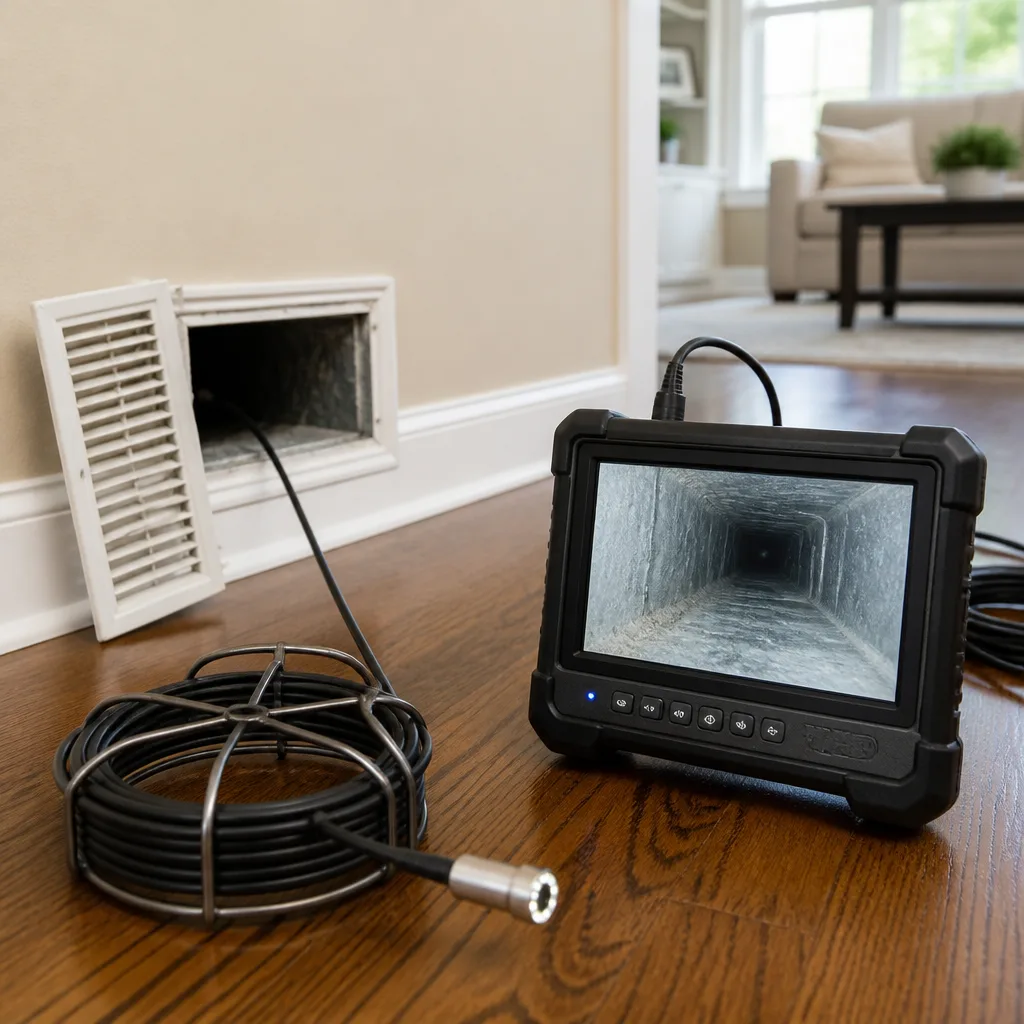
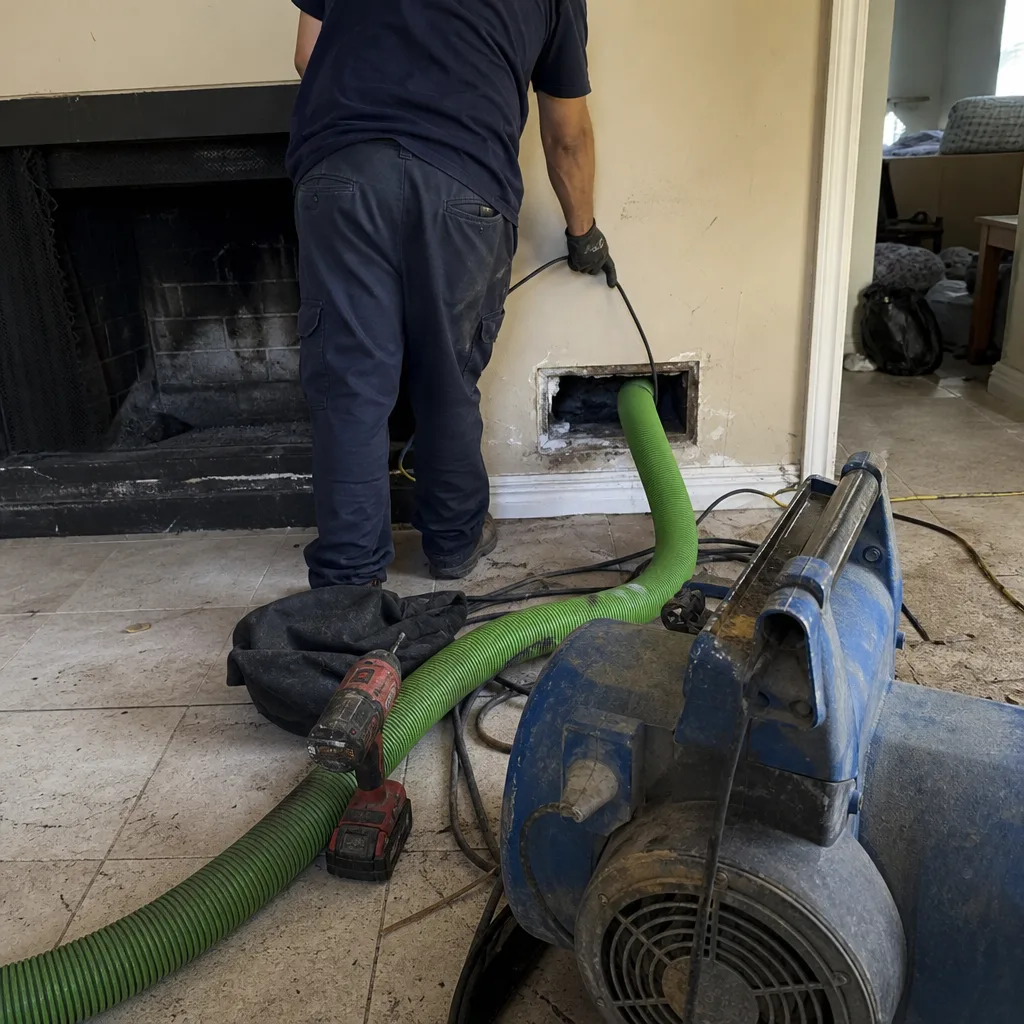
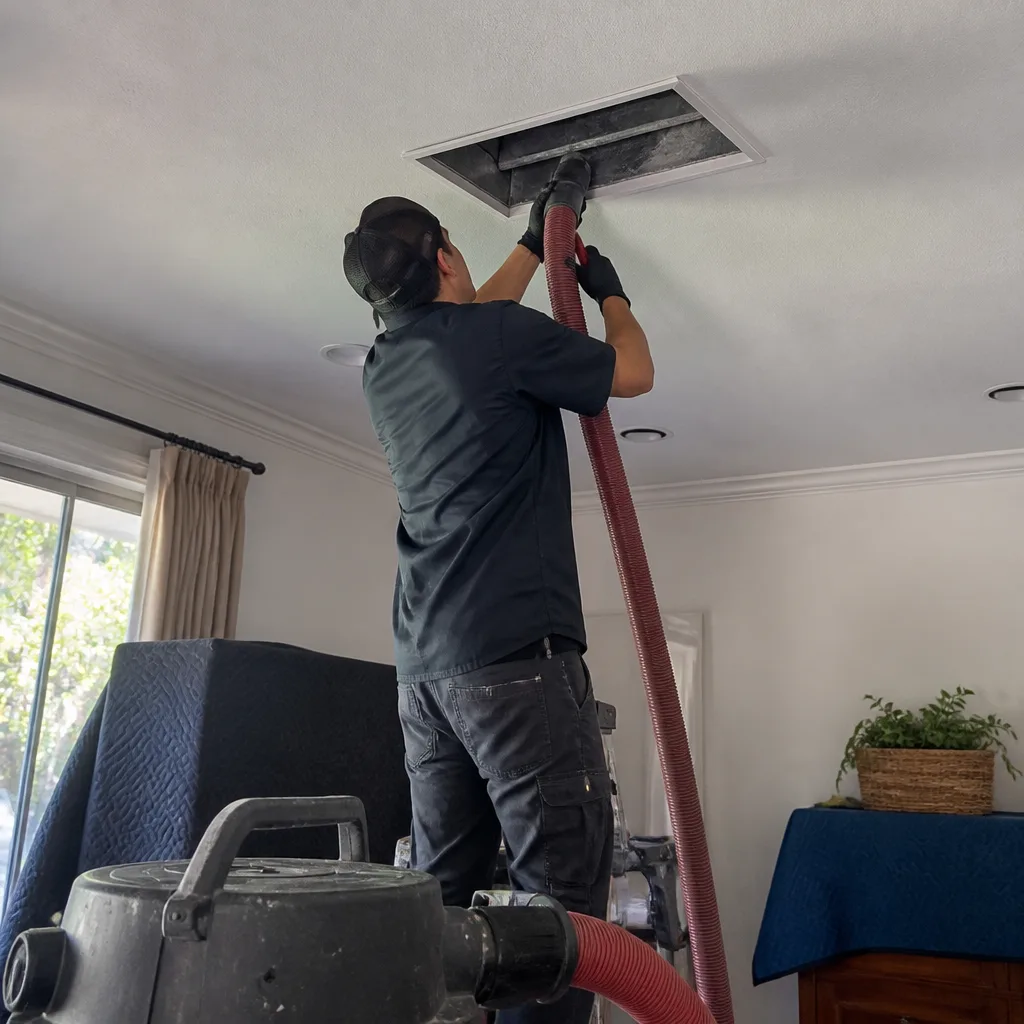
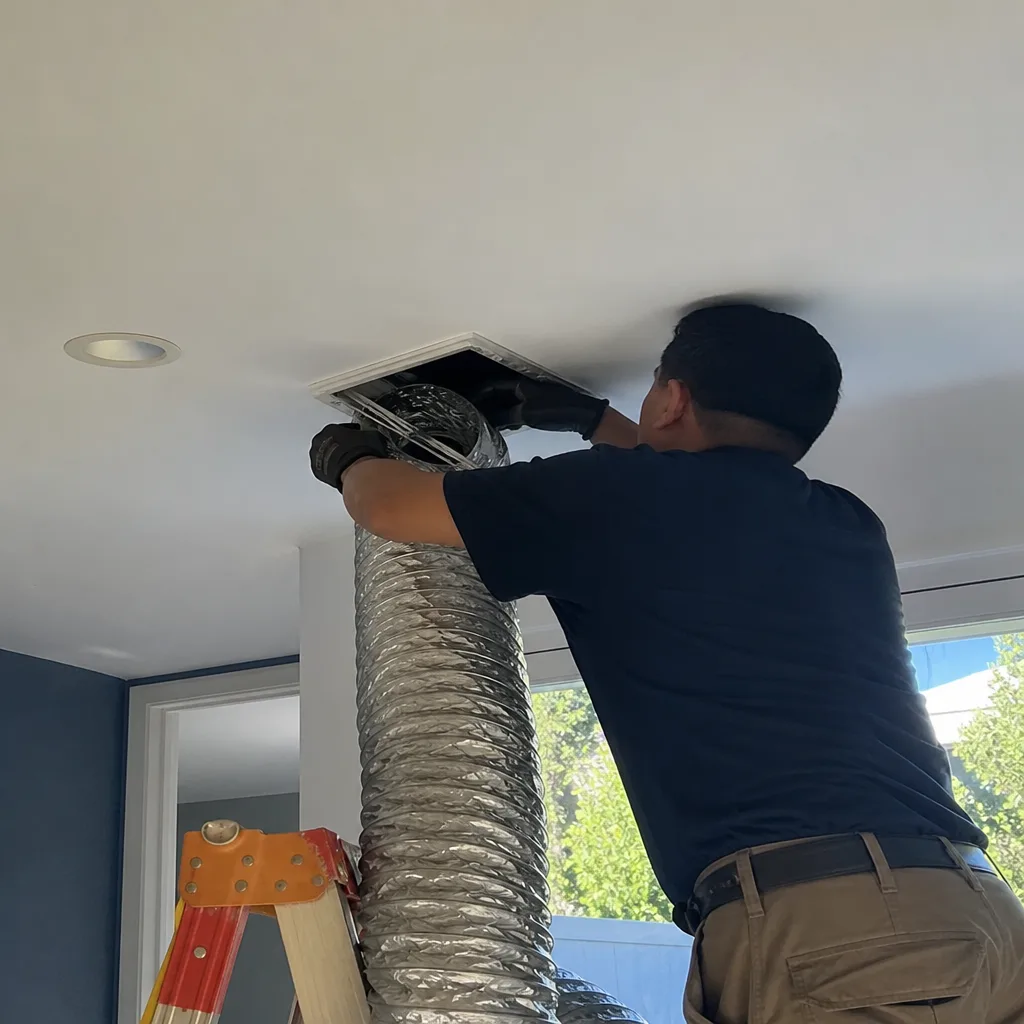
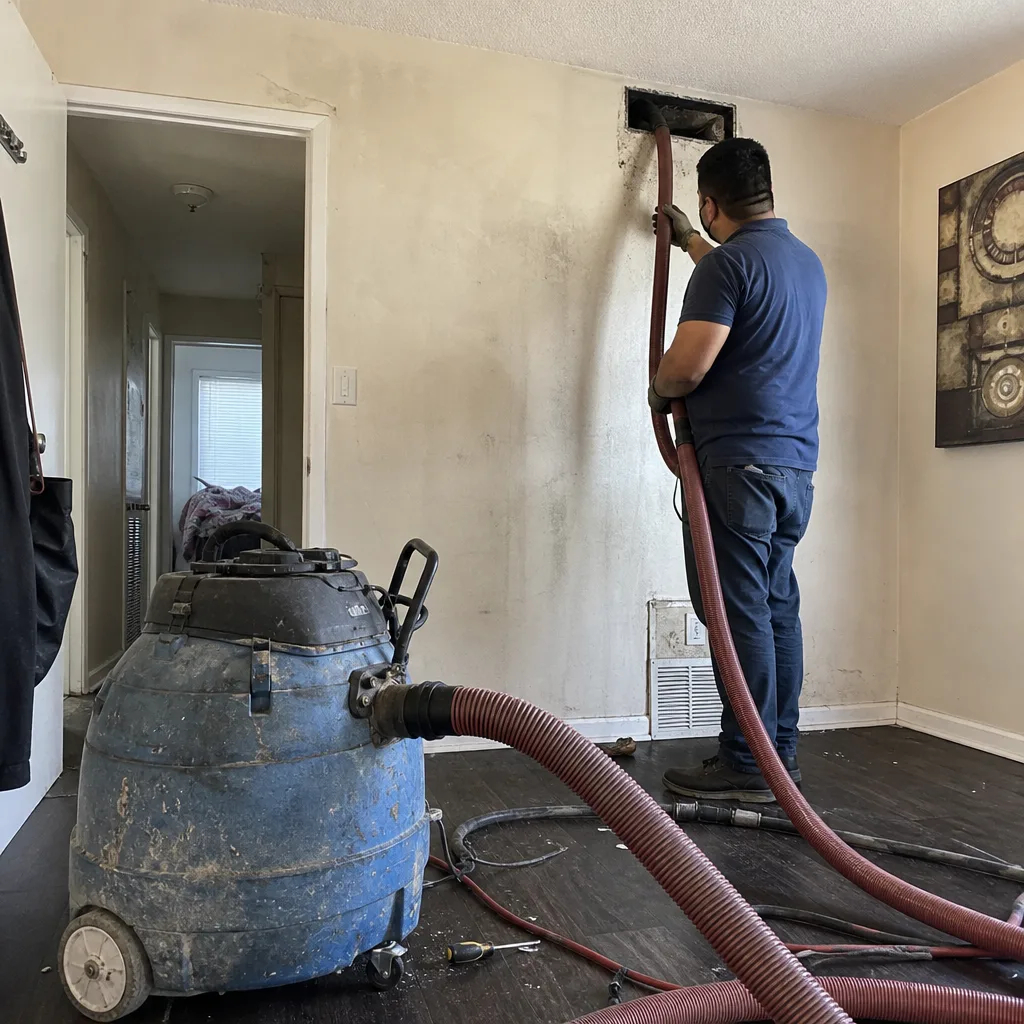
Whole-system duct and dryer vent check with before-and-after photos - you see exactly what came out of your vents
That "$99 whole-house special" is a bait ad - the real number appears once they are in your hallway, or the "clean" is a shop-vac at the register. We photograph the inside of your ducts before and after instead.
Air Duct Cleaning Troubleshooting: Common Problems and How to Fix Them
If one room in your Northridge house is always ten degrees warmer than the rest, cleaning your ducts almost certainly won’t fix it, and knowing that before you schedule a service call saves you several hundred dollars. Most duct problems homeowners notice are symptoms with specific mechanical causes inside the duct system, and cleaning is only the right fix for some of them. This guide walks you through how to diagnose which problem you actually have, what each symptom points to, and when Air Duct Cleaning actually solves it versus when you need a repair. By the end, you’ll be able to hand a technician a useful diagnostic picture instead of a vague complaint about dust or noise.
Styles & brands we work with
- Whole-home duct cleaning
- Dryer vent cleaning
- Camera inspection
- Sanitizing & deodorizing
Quick Answer
Air duct problems fall into two broad categories: contamination (dust, debris, mold spores inside the ducts) and mechanical failure (disconnected joints, collapsed liners, stuck dampers). Cleaning with professional HEPA extraction solves the first; only repair work solves the second. Matching the symptom to the cause before calling anyone is the fastest way to avoid paying for a service that won’t fix what you’re experiencing.
Table of Contents
- The Symptom-to-Cause Matrix: What Your Ducts Are Telling You
- Contamination Problems vs. Mechanical Problems: Why the Distinction Matters
- Static Pressure and Airflow Loss: What You Can Observe Without Instruments
- Mold Odor After Cleaning: Why the Source May Be at the Coil, Not the Duct
- The Pre-Service Self-Check: What to Record Before Calling a Technician
- Why Equipment Matching Changes the Outcome
- Northridge-Specific Factors That Affect Duct Performance
- Common Mistakes to Avoid
- When to Call a Professional
- Frequently Asked Questions
- The Bottom Line
The Symptom-to-Cause Matrix: What Your Ducts Are Telling You
Duct problems rarely announce themselves with a single clear signal. Instead, you get a combination of symptoms that look unrelated until you trace them back to the duct system. Here’s what we see in Northridge homes, where summer heat loads and older ranch-style construction create a predictable set of failures – many of which we cover in our Air Duct Cleaning Warning Signs: A Northridge Homeowner’s Reference Guide. Each symptom points to a likely cause, and the cause determines whether cleaning is the right call.
Symptom: Visible dust discharge from supply vents
When you see dust accumulating on the wall or ceiling around a supply register, the first question is whether the dust is coming from inside the ducts or from the room itself. Duct-origin dust tends to appear as gray or dark streaks radiating from the vent, and it reappears quickly after wiping. Room-origin dust settles evenly across surfaces and has no directional pattern. The distinction matters because cleaning ducts that aren’t the source does nothing for the symptom. We’ve seen Northridge homeowners pay for cleaning only to discover the real issue was a return-air leak pulling attic dust into the system.
Likely cause: Return-side leakage, a disconnected joint, or degraded duct liner shedding material.
Fix that works: If the ducts are genuinely contaminated, professional cleaning with HEPA extraction resolves it. If the cause is a disconnected joint or return leak, that’s an Air Duct Repair in Northridge job, not a cleaning job.
Symptom: Persistent musty or stale odor only when the system runs
An odor that appears only during system operation almost always originates somewhere in the air path: the duct interior, the coil, the drain pan, or the filter housing. Odor that exists when the system is off points to a room-source issue like carpet, drywall, or a hidden moisture problem. Timing is the diagnostic key, and it’s a detail worth noting before you call anyone.
Likely cause: Microbial growth on the coil or in the condensate pan, accumulated organic debris inside the ducts, or a dead pest in the duct run.
Fix that works: If the odor source is inside the ductwork, cleaning removes the organic material feeding it. If the source is at the coil or pan, cleaning the ducts alone won’t touch the smell. See the mold odor section below for how to escalate correctly.
Symptom: Uneven room temperatures with normal airflow at the vent
This is the symptom most likely to waste a cleaning budget. When one room runs hot in summer and cold in winter while airflow feels normal, the problem is usually not contamination. It’s balancing, insulation, or duct leakage in unconditioned space. Northridge summers put enormous heat load on attic duct runs; an uninsulated or poorly sealed duct in a 140-degree attic loses cooling capacity before the air reaches the room.
Likely cause: Duct leakage in the attic, failed dampers, or inadequate return air from the affected room.
Fix that works: Sealing and insulating the duct run, or repairing a failed damper. Cleaning will not change the thermal performance of a leaking duct.
Symptom: Whistling, popping, or banging sounds from the ductwork
Noise is a mechanical symptom. Whistling indicates air moving through an opening that’s too small, usually a partially closed damper or an undersized duct section. Popping is thermal expansion of sheet metal, common in Northridge homes with attic ductwork that heats and cools dramatically between day and night. Banging during system startup usually points to loose duct hangers or a disconnected section that moves when airflow hits it.
Likely cause: Restricted airflow, loose mounting, disconnected sections, or undersized returns.
Fix that works: These are repair issues. Cleaning doesn’t change duct sizing, mounting, or damper position.
Contamination Problems vs. Mechanical Problems: Why the Distinction Matters
The single most valuable thing you can learn before calling a duct company is how to separate contamination from mechanical failure. The two require different tools, different skills, and different budgets. A company that only cleans will treat every problem as a contamination problem. A company that also repairs can tell you which one you actually have.
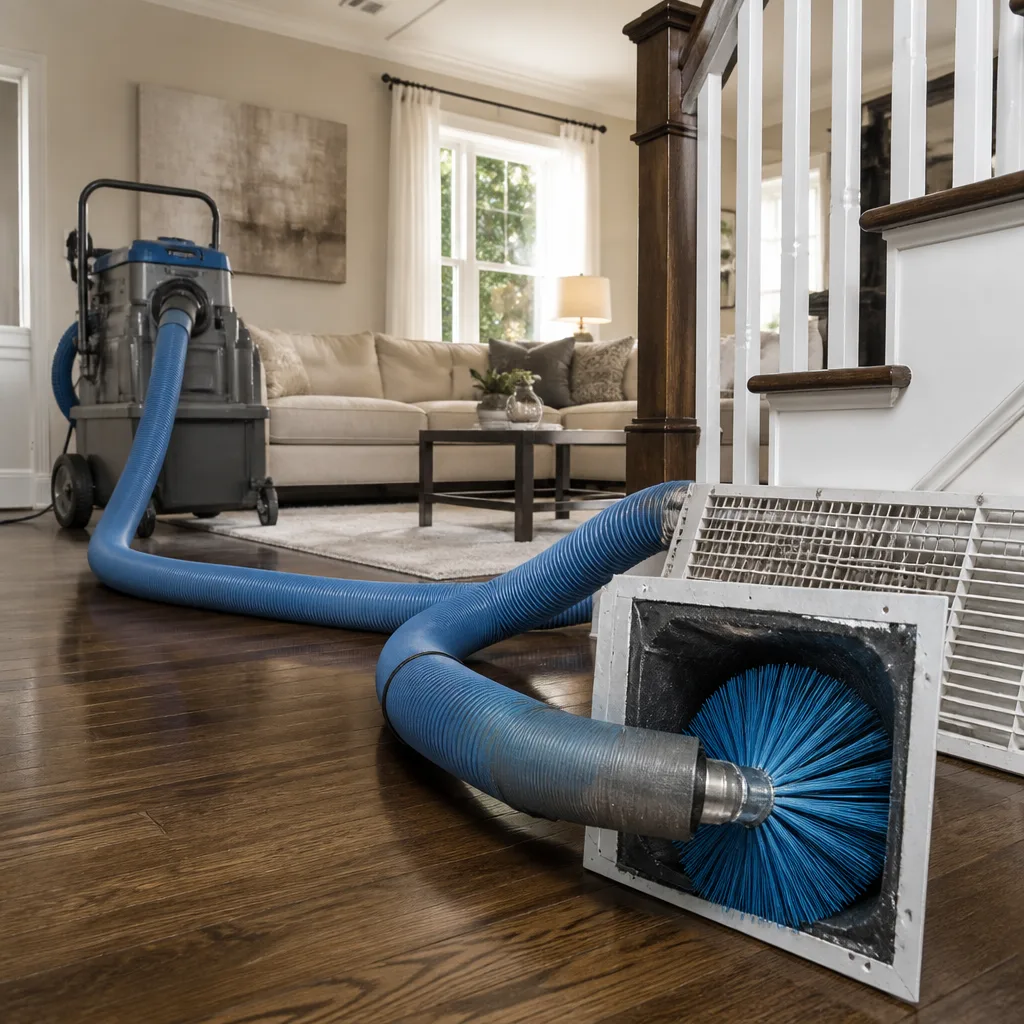
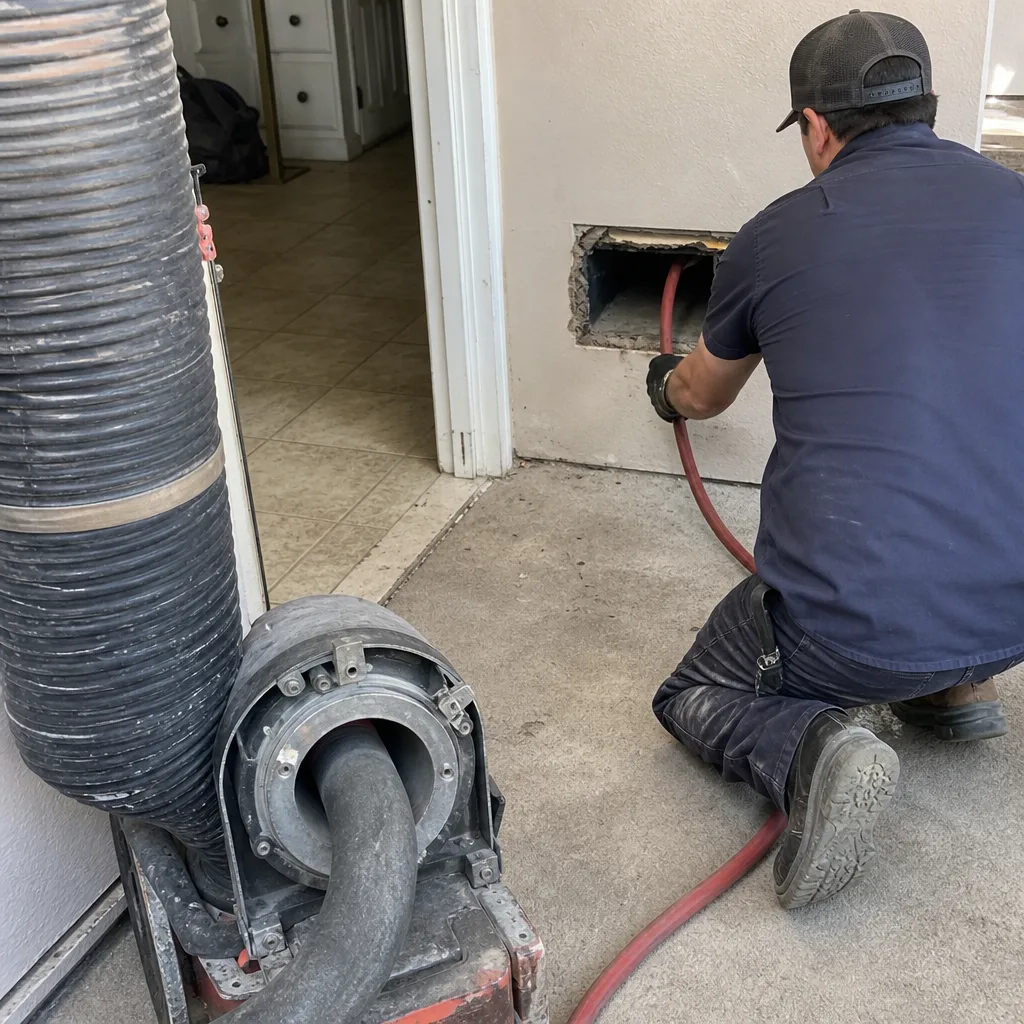
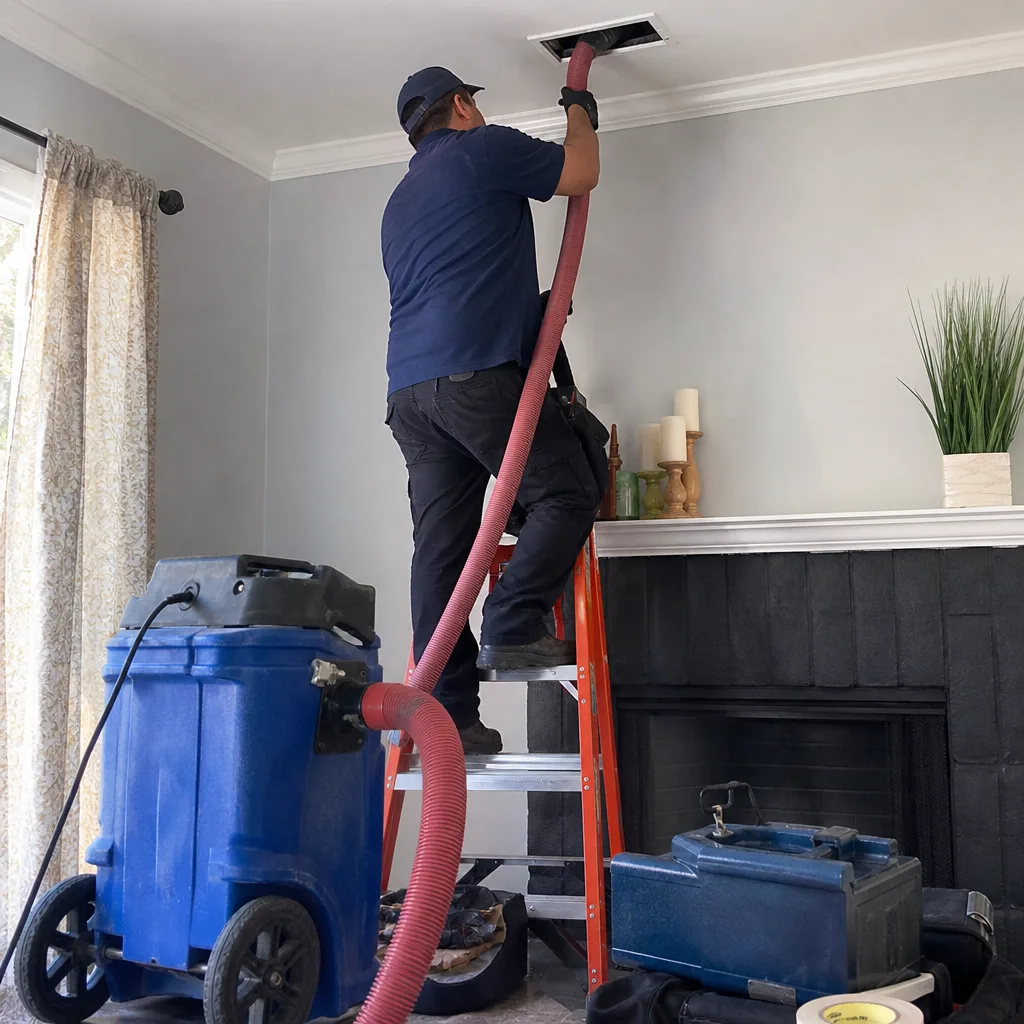
Contamination problems are exactly what they sound like: the duct interior contains material that shouldn’t be there. Construction debris from a renovation, years of accumulated dust and pet dander, rodent droppings, mold growth on organic material inside the ducts. These are the problems that professional cleaning solves. In our experience, the right equipment matters enormously here. A consumer-grade vacuum attached to a register can’t generate the negative pressure or agitation needed to dislodge material adhered to duct walls. That’s why professional systems from manufacturers like Nikro and Abatement Technologies are built specifically for this work: HEPA-rated extraction that pulls debris out without releasing it into the living space, and agitation tools that break material loose rather than polishing the top layer.
Mechanical problems are structural. A disconnected duct joint, a collapsed flex duct liner, a failed damper, a crushed duct boot, a return-air leak pulling from the attic or crawlspace. None of these are fixed by cleaning, because no amount of debris removal restores a broken mechanical connection. In fact, cleaning a mechanically failed system can make things worse by blowing loosened debris through the existing openings into the attic or wall cavity.
The distinction also explains why some homeowners feel like duct cleaning “didn’t work.” They paid for a contamination service on a mechanical problem. The cleaning was probably fine. The diagnosis was wrong. That’s why a structural assessment belongs before any cleaning work, and why we always check for disconnected joints, crushed flex runs, and return leaks as part of the initial inspection. Your ducts need to be clean, but they also need to be connected, sealed, and intact. Clean, repaired, and sealed: that’s the complete outcome, and it’s the one that actually resolves symptoms.
Static Pressure and Airflow Loss: What You Can Observe Without Instruments
Static pressure is the resistance to airflow in your duct system. High static pressure means the blower is working against too much resistance, which reduces airflow, increases energy use, and shortens blower motor life. A professional measures it with a manometer and probes inserted into the duct. You don’t have those tools, but you can observe the effects of abnormal static pressure without any instruments.
A quick observational checklist:
- Listen at the return: If the return grille sounds like the system is straining, or if you hear a low rushing sound even on a medium blower setting, that’s a sign of restricted return airflow. A return that’s too small for the system is one of the most common causes of high static pressure in Northridge homes, especially older ones where the system was upsized without upsizing the return.
- Check filter condition: A clogged filter adds resistance. If your filter is visibly dirty and you haven’t changed it in three months, you’re running higher static pressure than the system was designed for. Start there before suspecting anything else.
- Feel for airflow balance: Walk the house and feel the airflow at each supply register. If one room gets a strong blast while another gets a weak trickle, the system is out of balance. That’s a pressure and damper issue, not a contamination issue.
- Check for collapsing flex ducts: In attics and crawlspaces, flex duct should look round and full. If a run looks kinked, crushed, or sagging like a deflated balloon, the inner liner may have collapsed. That’s a mechanical airflow restriction that cleaning cannot address.
- Observe the blower cycle: If the blower runs longer than it used to, or cycles off on a limit switch, the system may be overheating due to insufficient airflow. That’s a pressure warning sign worth acting on.
If you’ve checked the filter and the system still shows these symptoms, the next step is a professional static pressure measurement. A technician who arrives with a manometer and knows how to use it is doing real diagnostics. A technician who arrives with only a vacuum is selling a single service.
Mold Odor After Cleaning: Why the Source May Be at the Coil, Not the Duct
This is one of the most common follow-up calls we receive: a homeowner had their ducts cleaned, the musty odor came back within weeks, and now they suspect the cleaning failed. In most cases, the cleaning was never the problem. The odor source was elsewhere in the system.
Here’s the physiology of the issue. Your HVAC system has two distinct wet locations: the evaporator coil, which sits above the furnace or inside the air handler, and the condensate drain pan beneath it. Every cooling cycle produces condensation on the coil. That moisture drains into the pan and should flow away through the drain line. When the drain line clogs, or the pan doesn’t slope correctly, or the coil gets coated in organic debris, you create a standing-water environment where mold and bacteria grow.
The air passing over that contaminated coil picks up the odor and distributes it through the ducts. If the ducts themselves were cleaned, the odor distribution path is now spotless, but it’s still carrying odor from the coil. The smell comes back, and it’s easy to blame the cleaning company.
A proper diagnosis here involves opening the coil access panel and looking. A clean coil with a dry pan means the odor source is elsewhere. A coated coil with visible growth and standing water means the problem was never in the ducts at all. Fixing it requires coil cleaning, drain pan treatment, and often a drain line service, none of which are duct cleaning. We see this pattern in Northridge homes regularly, especially after the first long cooling season when homeowners run AC for months and the coil works hard to pull humidity out of the air.
If you’ve had a cleaning and the odor persists, here’s the escalation sequence:
- Check the condensate drain: If water is visible in the emergency drain pan under the unit, the primary drain is clogged. Clear it or call a technician.
- Inspect the coil area: With the system off, look at the coil through any access opening. A dark, matted coil surface suggests organic buildup.
- Ask for a coil inspection: Not every duct company works on coils. A company that offers Air Duct Repair in Northridge and full system diagnostics is more likely to find the real source than one that only runs a vacuum through the registers.
The Pre-Service Self-Check: What to Record Before Calling a Technician
When you call a duct company, you’re going to describe symptoms. The quality of the diagnosis you receive depends heavily on the quality of the information you provide upfront. A vague call – “there’s dust and a smell” – gives a technician almost nothing. A structured call that describes when, where, and how symptoms appear gives them a diagnostic head start. Here’s a self-check you can run in fifteen minutes before picking up the phone.
- Map the problem: Which rooms are affected? Write down the specific rooms, not a general “upstairs” or “whole house.” If the problem is one room, that’s a different diagnosis than every room.
- Note the timing: Does the symptom appear only when the system runs, or all the time? Does it get worse in specific weather? Northridge summers produce different symptoms than winter heating cycles.
- Photograph the vents: Take clear photos of the supply and return registers from a few feet away. Visible dust staining, dark streaks, or debris around the vent opening is diagnostic evidence.
- Filter check: Remove the filter and look at it. Write down the MERV rating, the date you installed it, and what you see. A clean filter that’s been in for one month tells a different story than a clogged filter that’s been in for a year.
- Listen to the system: Run the system for a few minutes and listen at the return, at the supply vents, and near the air handler. Whistling, popping, and banging are all diagnostic sounds, and identifying where they come from pinpoints the problem.
- Check the drain pan: If you have access, look at the emergency drain pan under the air handler. Standing water means a clogged primary drain, which is a moisture problem independent of duct cleaning.
- Review the history: When was the last duct cleaning or system service? Have you renovated recently? Renovation dust inside ducts is a contamination problem; that’s useful to know.
This checklist turns you from a homeowner reporting a symptom into a homeowner providing diagnostic data. The technician who receives this information can arrive with the right equipment for the right problem. That’s the difference between a productive service call and a wasted one.
Why Equipment Matching Changes the Outcome
Every duct system is different, and the tool that works beautifully in one house can be useless in another. This is a point most homeowners never encounter, because most duct cleaning companies arrive with one method and apply it to every job. A specialist doesn’t work that way. We match the equipment to the job.
Consider the variables. Flex duct in a tight attic needs different agitation than rigid sheet metal in a crawlspace. A heavily contaminated system after a renovation needs stronger extraction than a lightly dusty system that just needs routine maintenance. A system with evidence of mold requires containment that prevents spores from dispersing into the living space during cleaning. A system with mechanical damage needs repair tools, not cleaning tools.
This is why professional-grade equipment matters. A Nikro HEPA extraction unit pulls debris out of the duct and traps it in filtration rated for very fine particulates, not just visible dust. Abatement Technologies negative-air methodology creates a containment environment that keeps loosened debris from escaping into the home. Rotobrush agitation tools break material loose from duct walls rather than polishing the surface. Each system serves a specific condition, and knowing which one to deploy is the difference between a cleaning that works and a cleaning that looks good for a week.
Homeowners in Northridge shopping for duct services rarely ask about equipment. They should. The question to ask is not only “how much does it cost,” but “what equipment are you using, and why is it the right equipment for my ducts?” A company that can answer that question specifically is a company that thinks diagnostically.
Northridge-Specific Factors That Affect Duct Performance
Northridge has a specific climate profile that shapes duct problems in predictable ways. The San Fernando Valley’s summer heat, combined with dry conditions and Santa Ana wind events, puts unique stress on HVAC systems. Understanding these local factors helps you distinguish a normal seasonal issue from a genuine duct problem.
Summer attic temperatures in Northridge regularly exceed 130 degrees. Duct runs in unconditioned attic spaces are subjected to that heat for hours every day, which breaks down flex duct liners faster than in coastal climates. A flex duct that’s ten years old in Northridge may be more deteriorated than a fifteen-year-old duct in a moderate coastal city. The inner liner becomes brittle, cracks, and eventually collapses, restricting airflow in ways that feel like a dirty system but are actually structural failure.
Santa Ana winds bring dust and fine particulate into every home, but the amount that enters your ducts depends on how well your return system is sealed. Homes with return leaks in the attic pull that dust-laden air directly into the duct system, bypassing the filter entirely. The result is rapid dust accumulation inside the ducts, and the symptom is dust discharge from supply vents even when the house appears clean.
The Valley’s dry climate also influences the mold question. Northridge homes see less ambient humidity than coastal LA communities, which means mold issues are less about ambient moisture and more about specific water sources: clogged condensate drains, leaking coil pans, or water intrusion from a specific event. If you have a mold odor in a Northridge home, the most likely source is the AC system’s own condensate, not general household humidity.
The age and style of Northridge housing stock also matters. Many homes in the area were built in the 1950s through 1970s, with original ductwork that’s now 50 to 70 years old. That ductwork may have been adequate when it was installed, but decades of settling, remodeling, and heating-cooling cycles have created gaps at joints, crushed sections, and degraded seals. For these homes, Air Duct Cleaning in Northridge is often just the first step; the complete fix involves sealing and repair work that restores the system’s original performance.
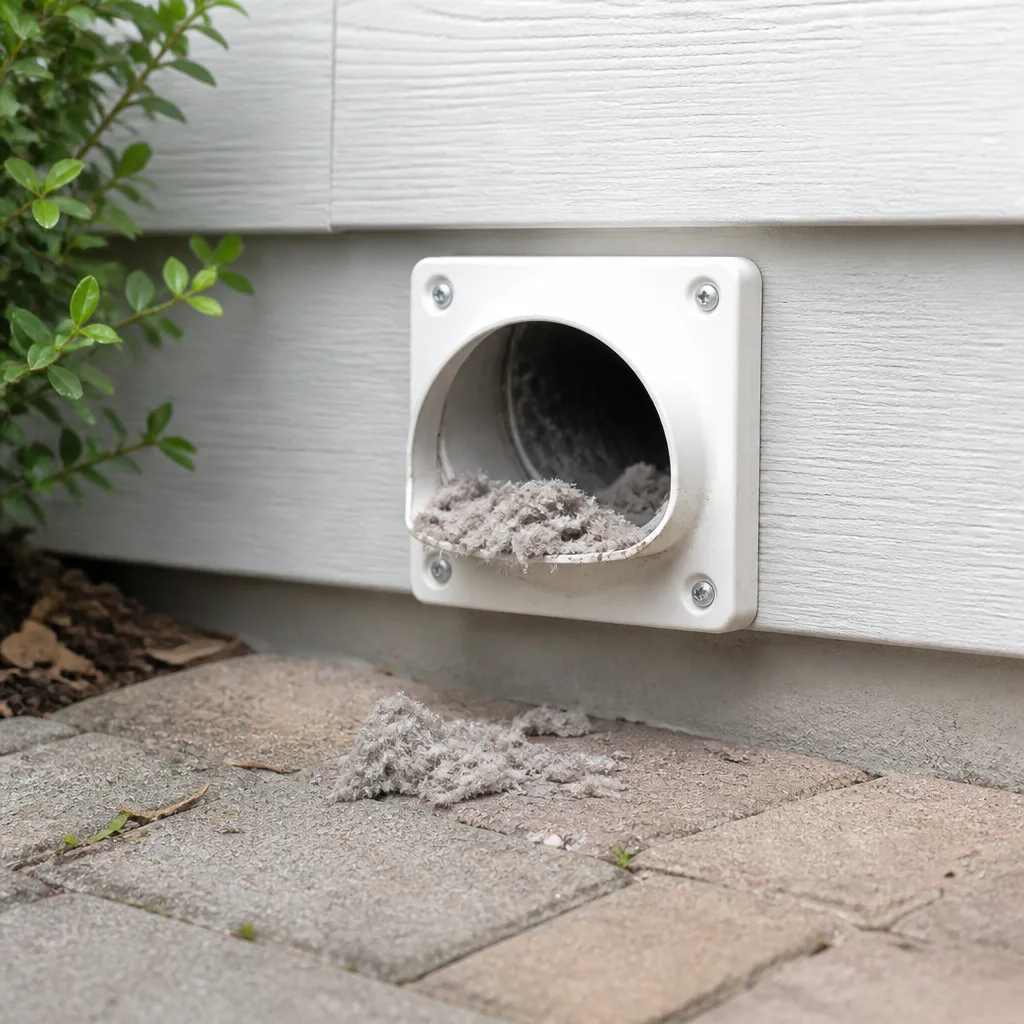
For complete system health, we also recommend Dryer Vent Cleaning in Northridge as a separate service. Dryer vents are a fire risk, not a maintenance footnote, and the lint accumulation pattern in Northridge’s dry climate can create blockages faster than homeowners expect. The dryer vent is a different system from the HVAC ducts, and it needs different tools and different attention.
Common Mistakes to Avoid
- Cleaning ducts to fix an airflow problem. Reduced airflow is almost always mechanical: a collapsed liner, a failed damper, a dirty coil, or a clogged filter. Cleaning the ducts changes none of those things, and you’ll pay for a service that doesn’t address the symptom.
- Ignoring the return side. Homeowners focus on supply vents because that’s where they see dust. But the return side is where air enters the system, and a return leak in a Northridge attic pulls hot, dusty air directly into the ducts, bypassing the filter entirely. The return side is where many problems start.
- Treating the filter as optional. A clogged filter increases static pressure, reduces airflow, and forces the system to work harder on every cycle. It’s the cheapest fix in the entire system, and it’s the one most likely to be neglected.
- Assuming a mold smell means the ducts are moldy. In many Northridge homes, the odor comes from the coil or condensate pan, not the ducts. Cleaning the ducts won’t touch the source, and the smell returns. Diagnose the moisture source before you clean anything.
- Comparing quotes without comparing methods. A $99 whole-house cleaning and a $400 professional job are not the same service. The $99 version typically agitates what’s near the register and vacuums out visible debris, leaving the rest of the duct untouched. A professional system like Nikro or Abatement Technologies extracts from the entire duct run under negative pressure. The price difference reflects the method difference.
- Calling for cleaning when the problem is a disconnected duct. If a duct has separated at a joint under the house or in the attic, cleaning it is beside the point. The system is pulling air from the wrong place, and the fix is reconnection and sealing, which is repair work.
- Waiting until symptoms are severe before calling. Duct problems compound. A small leak gets bigger. A slight restriction gets worse. Disconnected sections pull in more debris over time. Catching these early costs less than waiting until the system fails during a Northridge heat wave.
When to Call a Professional
Some duct problems are obvious enough to diagnose yourself with the checklists in this guide. Others require tools, access, and experience that only a professional brings. Call a professional when you see visible mold growth inside the ducts or on the coil, when you hear popping or banging that suggests a disconnected duct, when airflow in one room drops off sharply, when your energy bills rise without explanation, or when a musty odor persists after you’ve checked the filter and drain line. These symptoms point to problems that get worse with time rather than better. Our Air Duct Cleaning Northridge home service area covers the full scope of duct-system health, from cleaning to repair, with professional equipment matched to the specific condition of your system. If you’re in Northridge and you’re not sure what you’re dealing with, call (833) 968-4871 for a free estimate and a diagnostic evaluation that tells you what you actually need.
Frequently Asked Questions
Visible dust discharge from supply vents, debris inside the ducts when you look with a flashlight, evidence of rodent or pest activity, and a musty odor that appears only when the system runs are all indicators that cleaning is warranted. If you’ve recently renovated, construction debris in the ducts is another clear sign. Homes in Northridge with older ductwork and Santa Ana dust exposure often benefit from an inspection to determine whether cleaning is needed or whether the real issue is leakage or mechanical damage. For related topics, see our more guides & resources.
Rapid re-contamination after a cleaning usually means the system is pulling unfiltered air from somewhere. The most common cause in Northridge homes is a return-air leak in the attic that bypasses the filter and draws dusty attic air into the ducts. A disconnected duct joint can do the same thing. If the cleaning was done correctly and the ducts got dirty again within months, the next step is a leak inspection and sealing, not another cleaning. Call (833) 968-4871 for a diagnostic look at why your system is re-contaminating.
A shop vacuum attached to a register can remove loose debris near the opening, but it cannot reach material adhered to the duct walls throughout the system, and it cannot create the negative pressure needed to extract debris from the full duct run. The risk is that you’ll loosen material without removing it, and that material will find its way into your living space the next time the system runs. Professional cleaning uses equipment designed for the job, and the difference in results reflects the difference in tools.
Uneven room temperatures typically result from duct leakage in unconditioned spaces, failed or mispositioned dampers, inadequate return air from specific rooms, or duct runs that have become crushed or collapsed. Contamination inside the ducts rarely causes temperature imbalance on its own. If one room is consistently warmer in summer and cooler in winter while airflow feels normal, you have a mechanical or balancing issue, not a cleaning issue.
A proper cleaning of a typical Northridge home’s duct system takes between three and six hours, depending on system size, accessibility, and the degree of contamination. Work that’s completed much faster is unlikely to be thorough, because effective cleaning requires agitation of the duct interior, HEPA extraction, and verification that the system is clean before the equipment comes out. The exact time varies, and a professional can give you a realistic estimate after seeing your system.
If your system is working fine and you’re not seeing dust discharge, odors, or contamination indicators, you may not need cleaning right now. But if you don’t know the condition of your ducts, you’re making that decision blind. A duct inspection can establish a baseline, identify problems developing before they become expensive, and tell you whether cleaning now saves you a larger repair later. In Northridge’s climate, ducts are under constant thermal stress, and the condition of the system matters more than the number of years since the last cleaning.
The Bottom Line
Air duct problems are either contamination problems or mechanical problems, and treating one with the solution for the other wastes money. Learn to read the symptoms: dust discharge, odors, airflow loss, and noise each point to a specific cause. Use the self-check to gather diagnostic information before you call anyone. And remember that the right equipment, matched to the actual condition of your system, produces a different outcome than a one-size-fits-all cleaning. Clean, repaired, and sealed is the complete fix. If you’re in Northridge and you want a diagnostic evaluation rather than a sales pitch, call (833) 968-4871 for a free estimate.
Written by the team at Air Duct Cleaning Northridge, serving Northridge since 2014.
See the difference
 Before
 After
 Before
 After
 Before
 After