
Last updated November 2, 2026
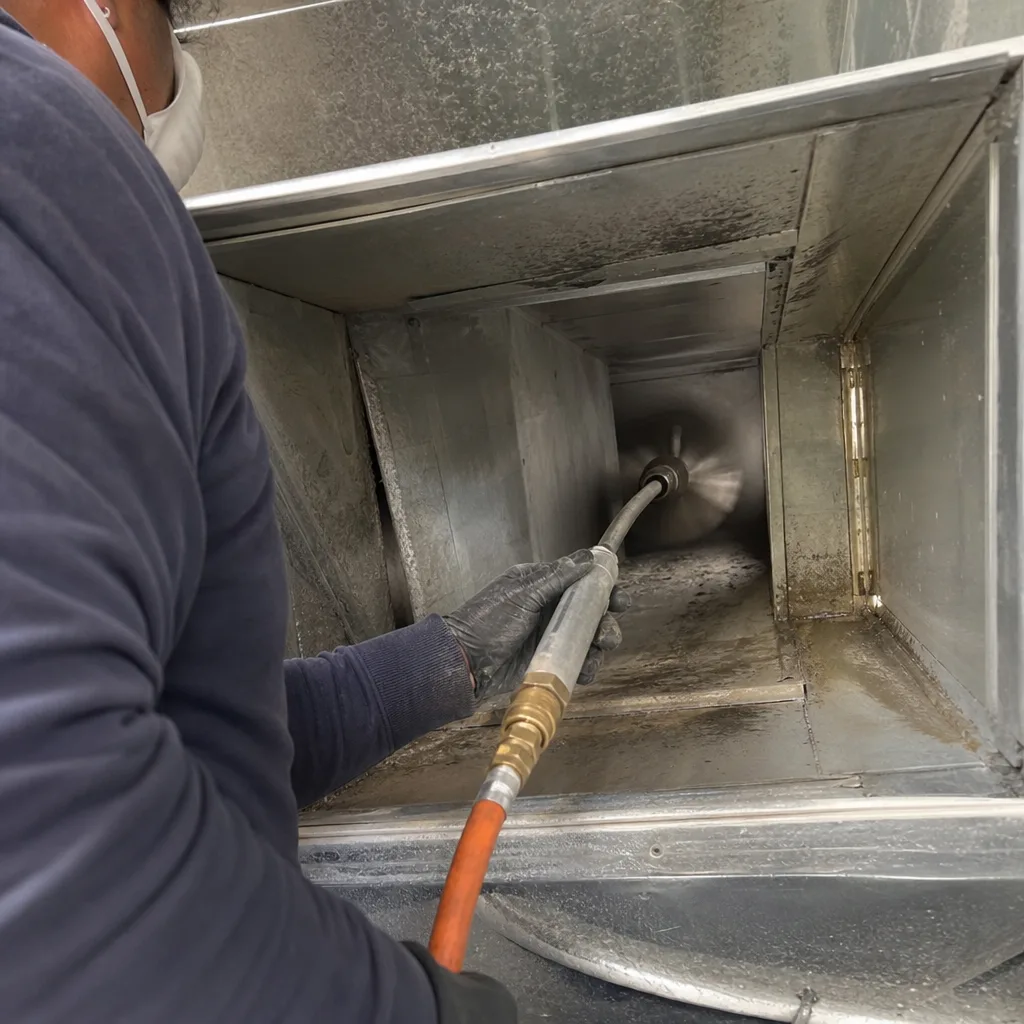
 Whole-home duct cleaning
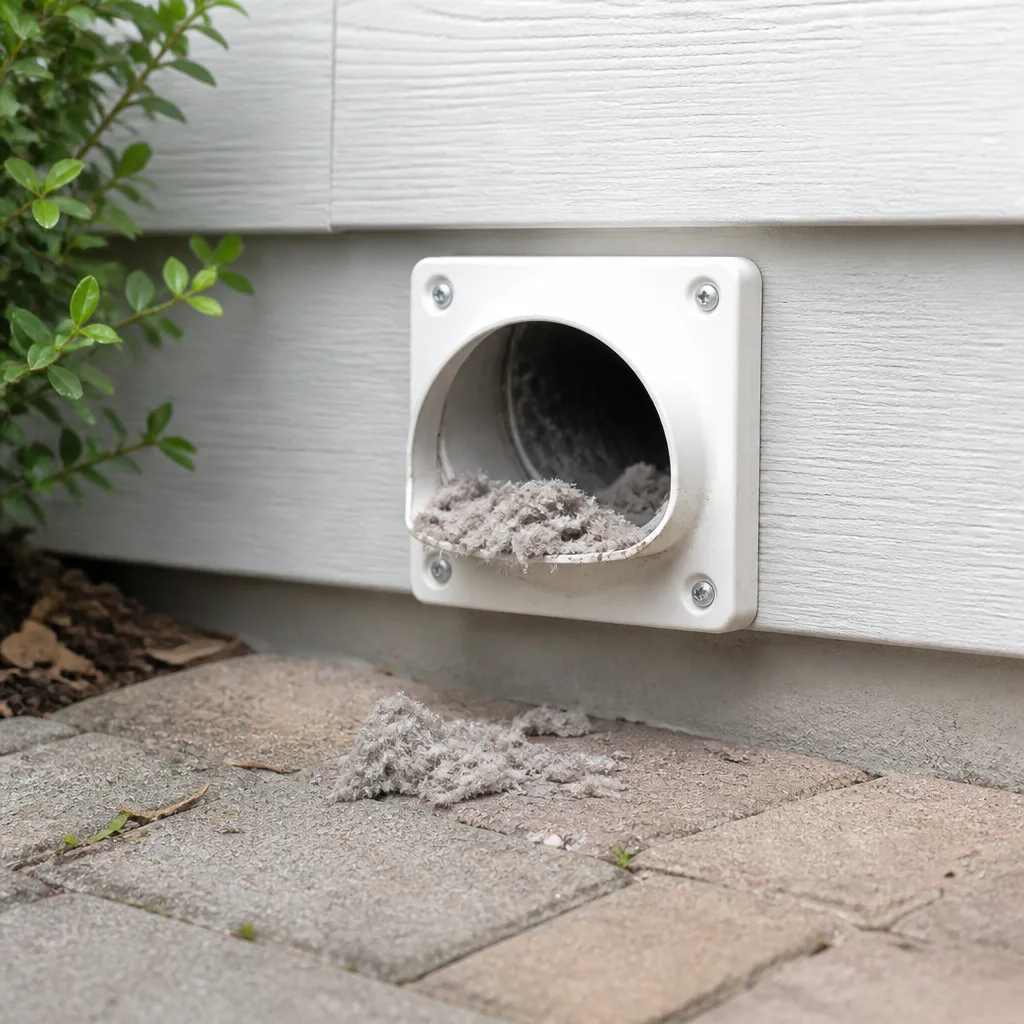 Dryer vent cleaning
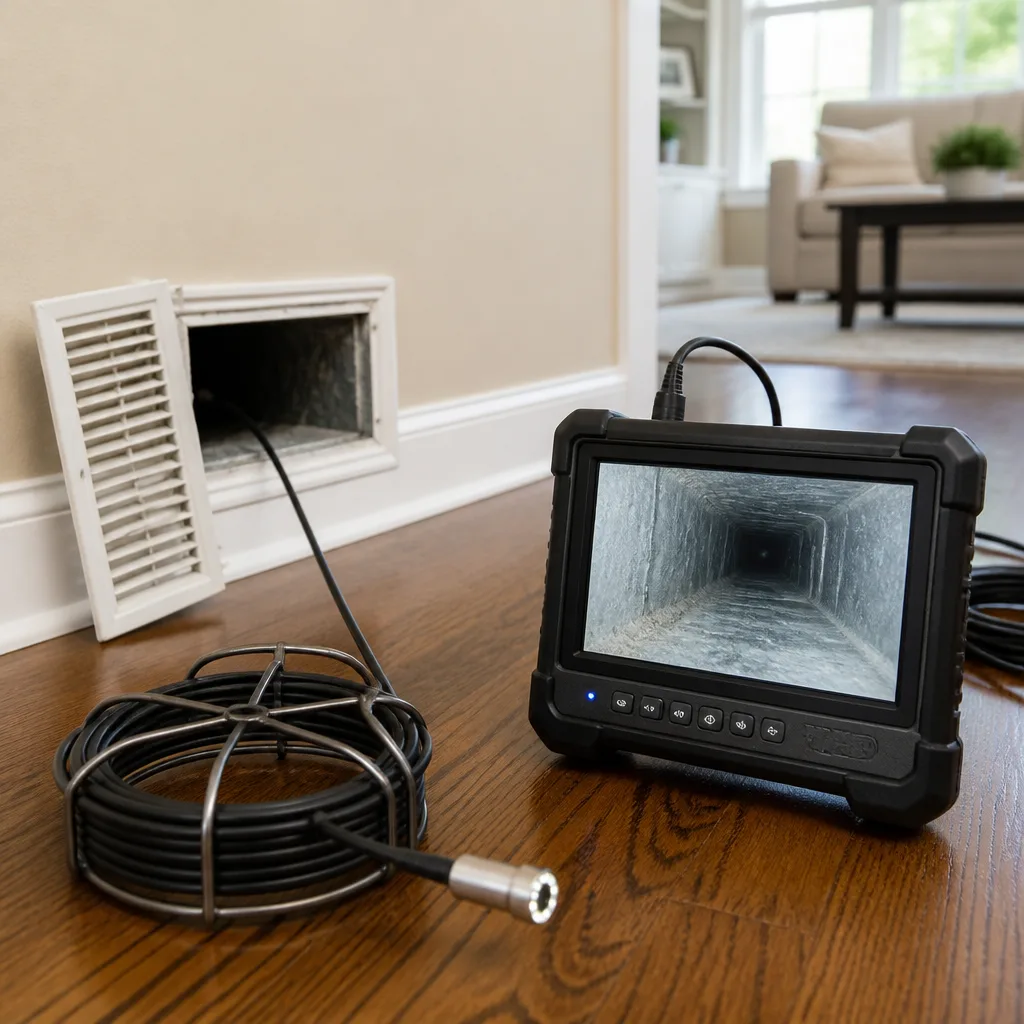 Camera inspection
 Sanitizing & deodorizing
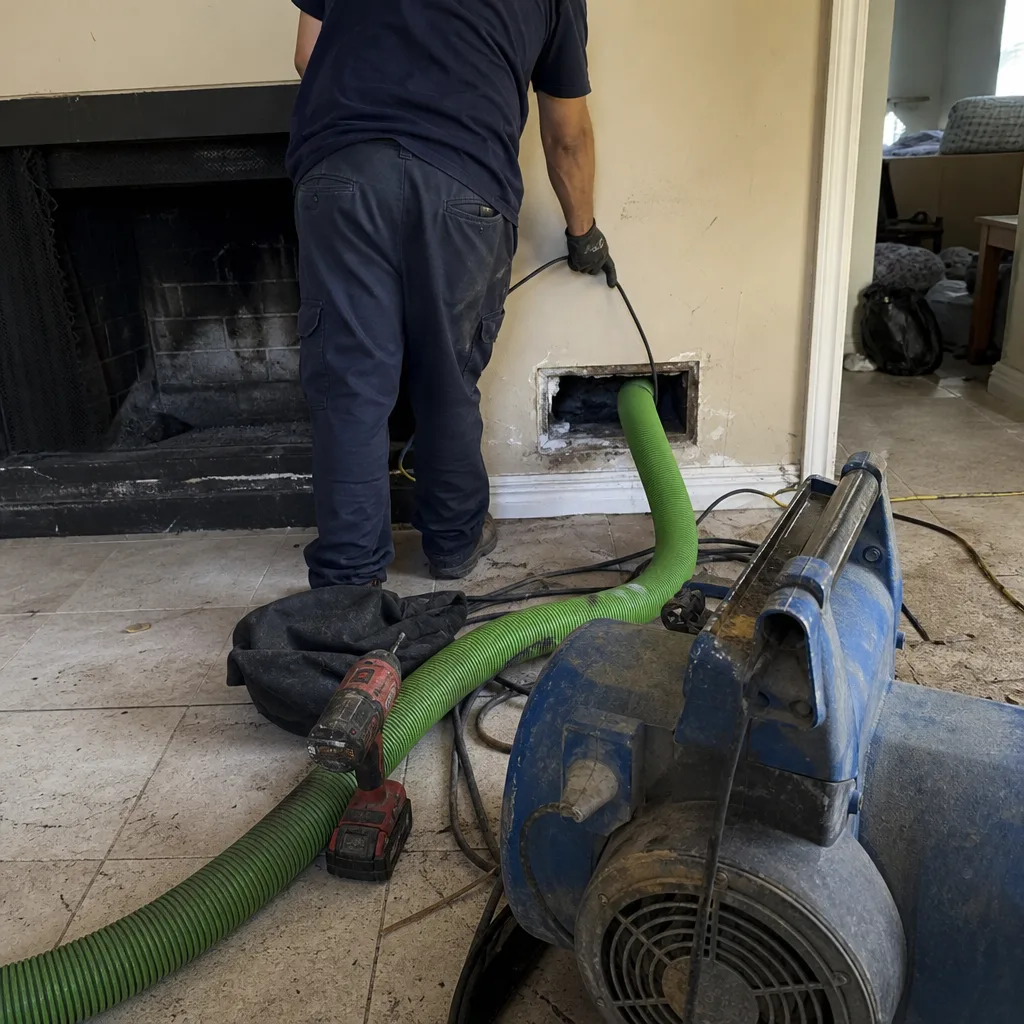
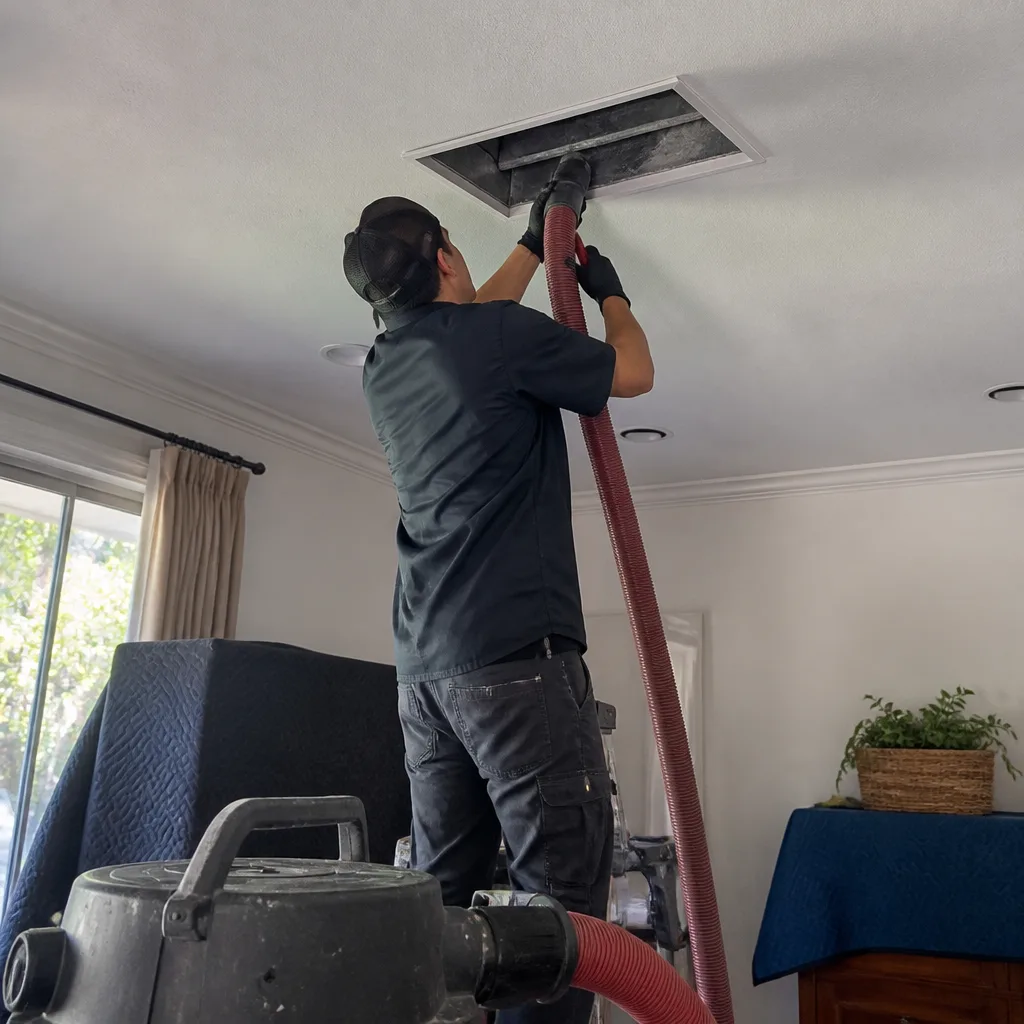
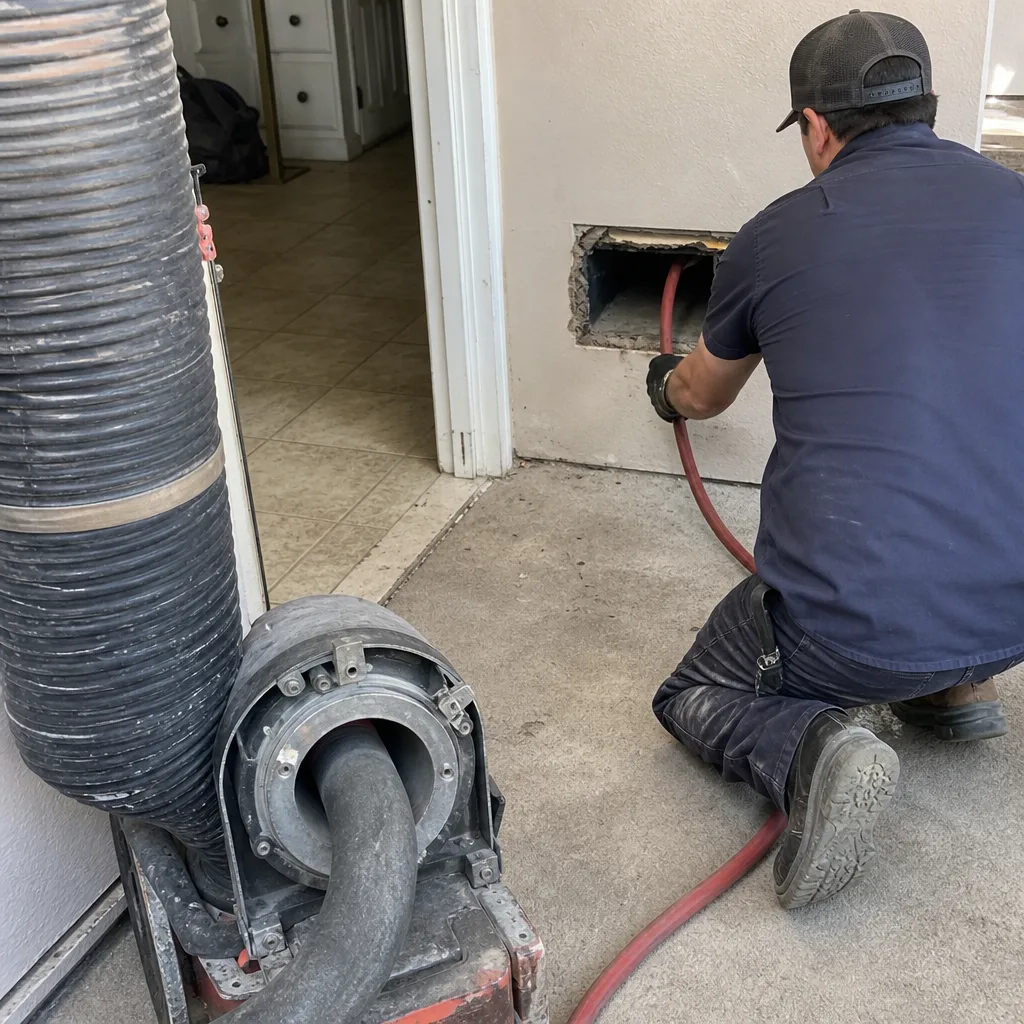
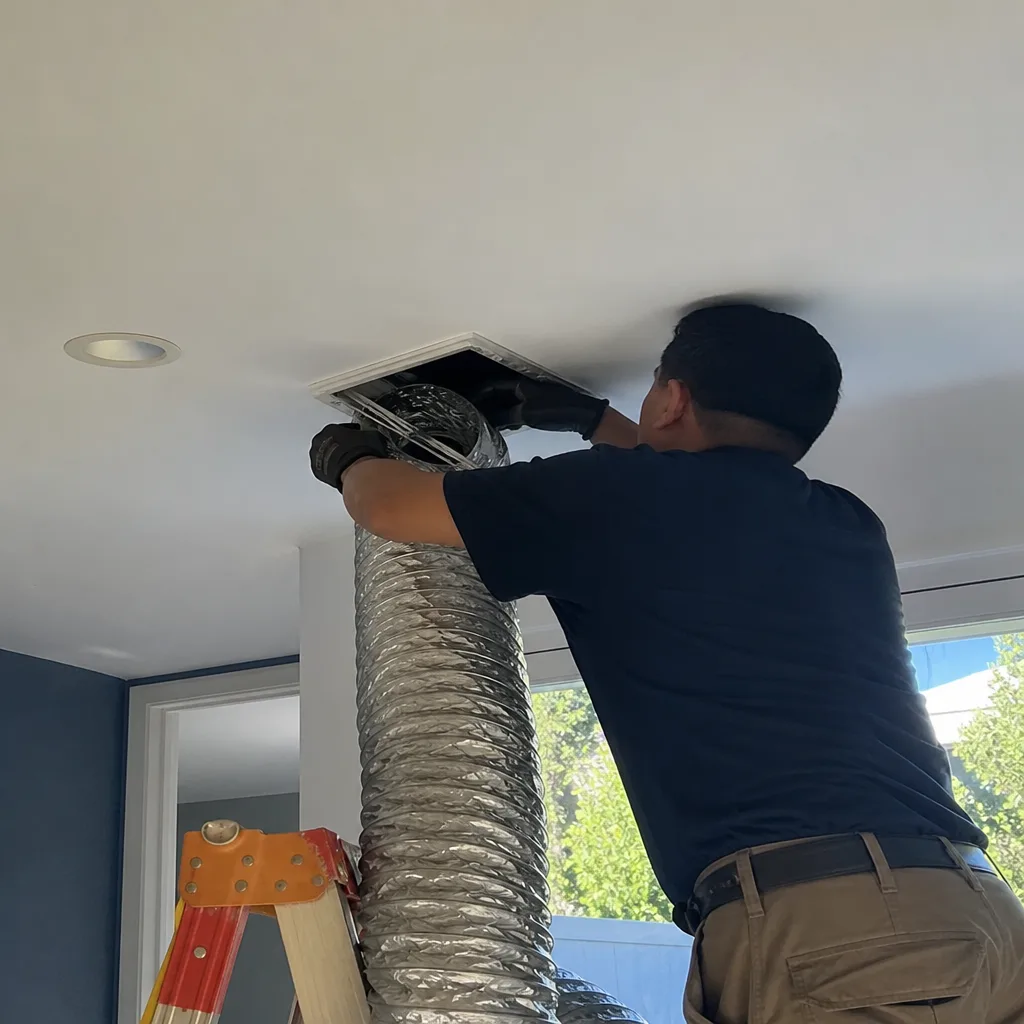
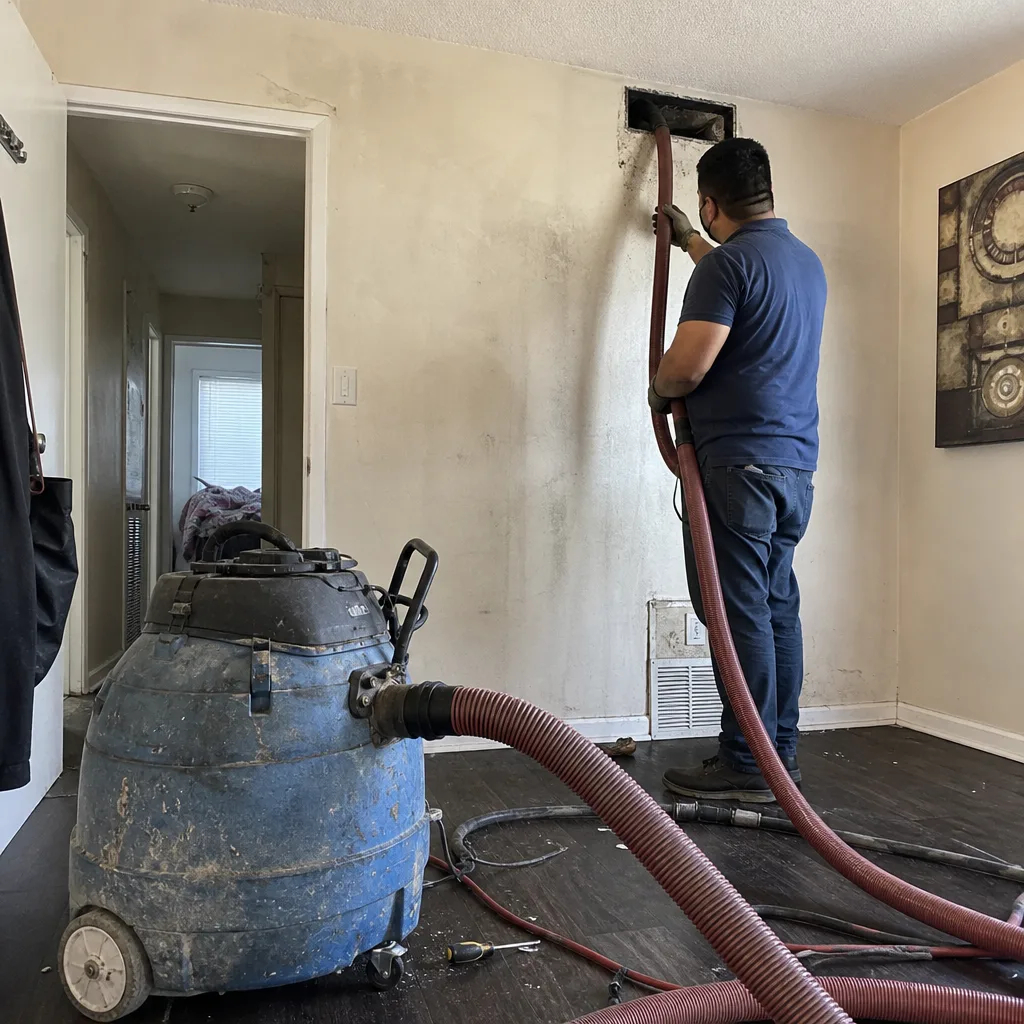
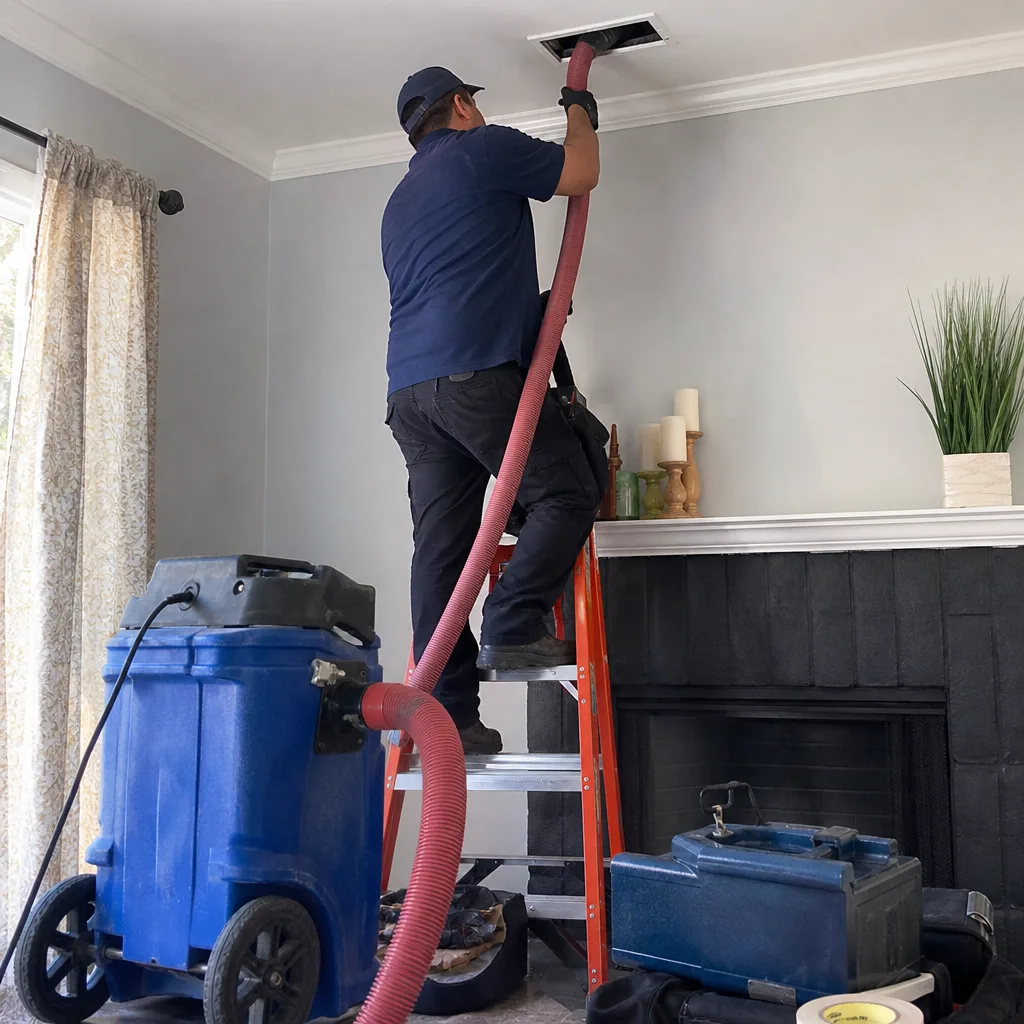
Whole-system duct and dryer vent check with before-and-after photos - you see exactly what came out of your vents
That "$99 whole-house special" is a bait ad - the real number appears once they are in your hallway, or the "clean" is a shop-vac at the register. We photograph the inside of your ducts before and after instead.
How to Hire an Air Duct Cleaning Contractor in Northridge: A Step-by-Step Guide
Here’s a fact most Northridge homeowners don’t know until it’s too late: anybody with a pickup truck and a business license can legally offer duct cleaning in California. No certification board checks their equipment. No state agency verifies they know what a negative air machine does. No regulator confirms they can tell the difference between surface dust and mold spores. The hiring process itself is the only quality control mechanism you have. This guide walks you through the exact questions to ask, the red flags to spot before the truck arrives, and the documentation that separates a legitimate Air Duct Cleaning contractor from a coupon-bait operation doing little more than waving a vacuum hose around for ninety minutes.
Styles & brands we work with
- Whole-home duct cleaning
- Dryer vent cleaning
- Camera inspection
- Sanitizing & deodorizing
Quick Answer
To hire a legitimate air duct cleaning contractor in Northridge, you need to verify three things before signing anything: the specific equipment they use (ask for brand names and models, not vague assurances), whether they follow a containment protocol rather than just pushing dust around, and what kind of post-job documentation they provide. For Seasonal Air Duct Cleaning Care for Northridge: Year-Round Homeowner’s Guide, timing also matters. A qualified contractor will name their equipment without hesitation, explain their process in specific terms, and hand you photographic proof of the work when they finish.
Table of Contents
- Why Duct Cleaning in Northridge Is Different From Other Cities
- Step 1: Ask What Equipment They Actually Use
- Step 2: Verify Their Containment Method
- Step 3: Check for Repair Capability, Not Just Cleaning
- Step 4: Confirm How They Handle Mold and Asbestos
- Step 5: Understand the Quote Before the Truck Arrives
- Step 6: Know What a Legitimate Job Looks Like When It’s Done
- Common Mistakes to Avoid
- When to Call a Professional
- Frequently Asked Questions
- The Bottom Line
Key Takeaways
- Equipment brand names and models are the single fastest way to tell a real contractor from a hobbyist.
- Containment matters as much as suction. A contractor who doesn’t seal off the work area is spreading debris through your house.
- Duct cleaning and duct repair are different skills. Many cleaning-only companies will either ignore damage or refer you elsewhere.
- Pre-1980 Northridge homes need a contractor with a clear asbestos protocol, not a shrug.
- Post-job deliverables, including photos and airflow readings, are the only way to verify you got what you paid for.
Why Duct Cleaning in Northridge Is Different From Other Cities
Northridge sits in the San Fernando Valley, which means three things for your ductwork. First, summer temperatures routinely top 100 degrees, pushing your HVAC system to run for months at a stretch. More runtime means more air moving through your ducts, which means more dust, pollen, and debris accumulating on interior surfaces. Second, the Valley’s geography creates a thermal inversion layer that traps particulate matter. wildfire smoke from surrounding hillsides, construction dust from the constant redevelopment along Reseda Boulevard and Tampa Avenue, and the fine grit that blows in from the Santa Susana Pass all end up in your return ducts. Third, many homes in Northridge were built between 1950 and 1980, which puts a significant portion of housing stock in the asbestos-risk category for older duct insulation.
Our Air Duct Cleaning in Northridge work regularly involves homes where dust accumulates faster than in coastal neighborhoods because of the Valley’s dry, windy conditions. Homeowners near the Northridge Fashion Center and CSUN report visible dust settling on furniture within days of cleaning. That’s not a cleaning failure. It’s what happens when fine particulate loads are high and HVAC systems run constantly. The right response is not necessarily more frequent cleaning. It’s cleaning that actually removes the accumulation rather than loosening it, combined with filtration that captures it before it reaches your living space.
A contractor who has never worked in Northridge may not understand how quickly Valley homes re-accumulate dust, or how the age of the housing stock changes the job. A contractor who knows the area will ask about your home’s build year before quoting a price. That question alone tells you something about their seriousness.
Step 1: Ask What Equipment They Actually Use
The fastest way to separate a legitimate duct cleaning contractor from a guy with a shop vac and a ladder is to ask one direct question: “What equipment do you use?”
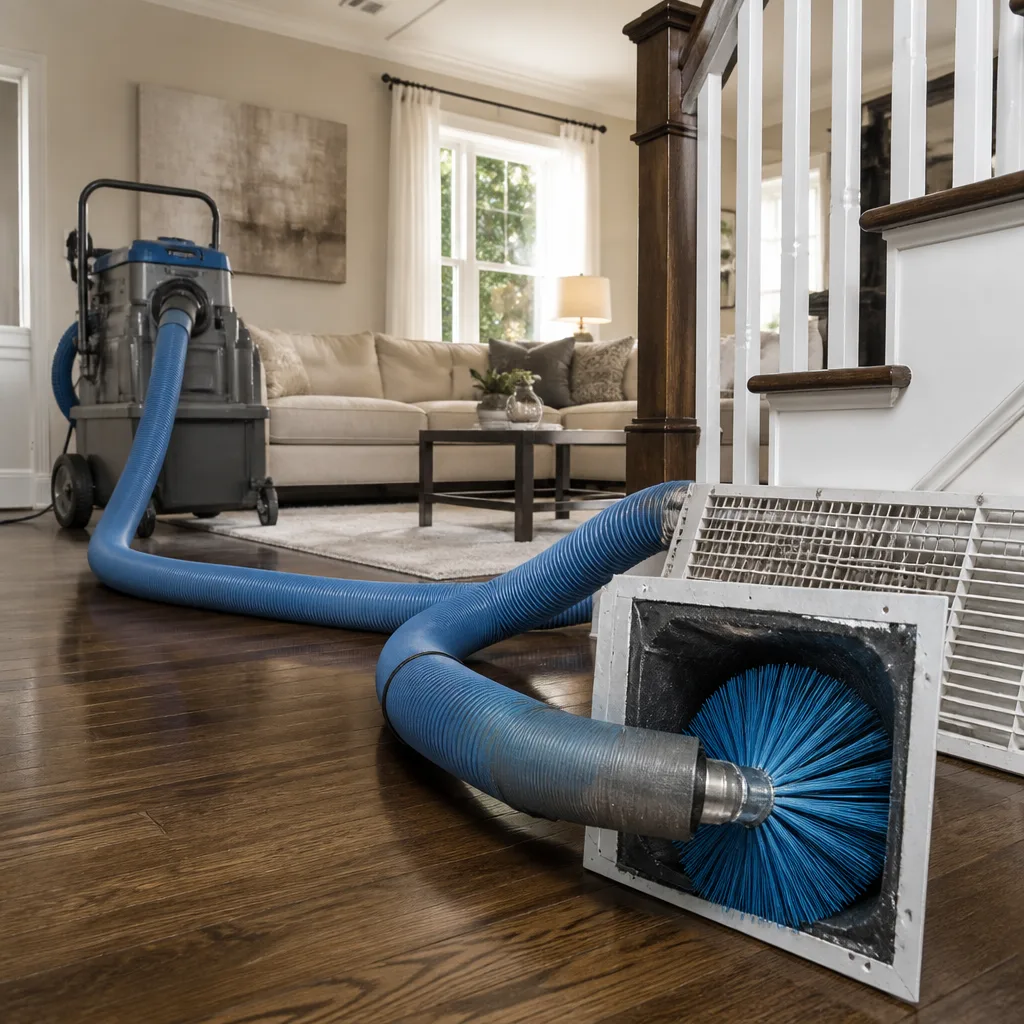
A legitimate contractor answers with brand names and model categories without hesitation. They’ll tell you they use a Rotobrush brush-fed agitation system to dislodge debris from the interior walls of the ducts. They’ll mention a Nikro HEPA-filtered extraction unit that pulls loosened material out of the system and traps it in sealed collection. They’ll describe Abatement Technologies negative-air containment equipment that creates directional airflow so dust doesn’t migrate into your living room during the process. They’ll know the difference between a brush that mechanically scrubs duct interiors and a vacuum that simply sucks from the register opening.
A low-quality operator answers differently. They’ll say “industrial equipment” or “professional-grade tools” without naming anything. They’ll change the subject to price. They’ll tell you equipment doesn’t matter, only results matter. That’s false. Equipment is the single largest predictor of what kind of job you’re going to get.
Here’s a simple test: ask them to name the brand of their extraction unit. If they can’t answer in five seconds, end the call. You’re not interviewing a contractor. You’re interviewing someone who rented or borrowed equipment last weekend.
One more note: some companies will show up with a portable unit plugged into a wall outlet and call it duct cleaning. A portable unit with a small motor simply cannot generate the static pressure needed to pull debris from 30 or 40 feet of ductwork. Professional systems run on truck-mounted power or substantial standalone units. Ask where the power comes from. If the answer is “your outlet,” that’s a red flag.
We match the equipment to the job because different duct conditions require different approaches. A heavily soiled commercial-style trunk line in an older Northridge home needs different agitation than a lightly dusty system in a 1990s tract house. The multi-system approach is not marketing language. It’s the difference between scrubbing and merely skimming.
Step 2: Verify Their Containment Method
Duct cleaning is not just about what gets removed. It’s about what doesn’t get released into your home during the removal. This is where containment matters more than suction power, and it’s where most cheap operators cut corners.
A legitimate contractor uses negative air containment. Here’s what that means in practical terms. The contractor seals off each register except the one being worked. A high-volume extraction unit creates negative pressure inside the duct system, so that air flows from your home into the ducts and then into the collection unit, rather than from the ducts outward into your living space. Debris that gets dislodged during agitation is captured at the source. It doesn’t float out of the registers and settle on your couch.
Ask a contractor this question: “Walk me through your containment process.” A legitimate answer includes the words “negative air,” “sealed registers,” and “HEPA filtration.” An answer that says only “we close doors and lay down drop cloths” is not containment. That’s housekeeping. Drop cloths protect floors. They do not prevent fine particulate from becoming airborne and circulating through your home for days after the job.
This matters more in Northridge than you might think. Valley homes tend to be closed up for long stretches during hot months, with HVAC systems recirculating interior air. If a poor-quality cleaning releases dust back into the living space, that dust stays in the air and gets drawn right back into the system. We’ve seen homes where the air quality was worse after a careless cleaning than before it.
Abatement Technologies negative-air methodology is the standard we use because it prevents cross-contamination, which is the most common complaint about cheap duct cleaning. The HEPA filtration catches particles down to 0.3 microns. A cheap filter does not. Ask for the filtration spec. If the contractor doesn’t know it, that tells you everything.
Step 3: Check for Repair Capability, Not Just Cleaning
Here’s a scenario we see regularly in Northridge. A homeowner schedules a duct cleaning. The technician starts working and discovers that a section of ductwork has separated at a joint. Air that should be delivered to the bedrooms in the north wing of the house is instead blowing into the attic. Or a duct has been crushed by a home inspection visit or a rodent has chewed through a flex run. Or the duct insulation has degraded and is shedding fibers into the airstream.
A cleaning-only contractor has two options in this situation: ignore the problem and finish the cleaning anyway, or stop the job and tell you to call someone else. Both are bad outcomes. Either you’ve paid for a cleaning that doesn’t actually solve your airflow problem, or you’re stuck coordinating a second appointment with an HVAC company, often with weeks of delay.
A contractor with real Air Duct Repair in Northridge capability handles the problem on the spot. Damaged sections get repaired or replaced. Disconnected joints get re-sealed. Degraded insulation gets addressed. The cleaning and the repair happen as one engagement because they are one problem: your duct system is not healthy, and partly cleaning it does not make it healthy.
When you’re interviewing contractors, include this question: “What happens if you find damaged ducts during the cleaning?” Listen for specificity. A good answer names the kinds of damage they can address: separated seams, crushed runs, torn flex duct, failed tape at joints, loose hangers. A vague answer like “we’ll let you know” implies they either won’t notice or won’t care.
Your ducts are part of your home’s health system. A doctor who examined you and found a broken bone but only treated your cold would be doing half a job. The same logic applies here.
Step 4: Confirm How They Handle Mold and Asbestos
Northridge has thousands of homes built before 1980. That matters because duct insulation and tape materials used in mid-century construction frequently contained asbestos. Anytime ductwork is agitated in an older home, there is a risk of disturbing that material. A legitimate contractor knows this and has a protocol.
Ask this question directly: “My house was built in [year]. How do you handle potential asbestos in older duct systems?”
A responsible answer includes some version of this: if asbestos-containing material is suspected, we stop work, recommend testing, and proceed only if the material is confirmed safe or properly abated by a licensed asbestos contractor. A careless answer says “we don’t worry about that” or “that’s only for really old houses.” A contractor who dismisses asbestos risk in a pre-1980 home is either ignorant of California’s asbestos regulations or willing to expose you and their own crew to a carcinogen to keep the job moving.
Mold is a similar issue. Duct cleaning is not mold remediation. A legitimate contractor can tell the difference between organic debris, dust accumulation, and actual mold growth, and will tell you honestly if what you need is an environmental hygienist rather than a duct cleaner. Some companies will claim to “kill mold” as part of a cleaning package. That is not a thing. Mold in ductwork requires source removal and repair of the moisture problem that caused it, not a spray-on treatment.
Ask what happens if mold is found during the job. A good answer: work stops, you get photos, and you get a recommendation for independent testing. A bad answer: “we’ll spray it with [product].” If a contractor claims a fogger or sprayer eliminates mold inside your ducts, walk away.
Step 5: Understand the Quote Before the Truck Arrives
The duct cleaning industry has a well-earned reputation for bait-and-switch pricing – see our Air Duct Cleaning Cost Breakdown: The Northridge Homeowner’s Reference for 2026 for realistic numbers. The mechanism is simple and predictable. A company advertises an unbelievably low price, often a flat fee per vent or a room-based package. The technician arrives, spends five minutes looking at your furnace, and announces that the job actually requires additional services: sanitizing, deodorizing, mold treatment, extra vents, extra return drops. The $99 special becomes $600 by the time the van is parked.
Protect yourself by understanding the quote structure before anyone shows up. Here’s how to do it.
- Ask for a whole-system price. A legitimate quote is based on the size of your system, the number of supply and return points, and the condition of the ductwork. It is not based on a teaser price that only covers “up to” a certain number of vents. If the price is quoted per vent with a low initial figure, expect the upsell script to start the moment the technician walks in.
- Ask what the price includes. Does it cover the return side and the supply side? Does it include the main trunk line, which is where the majority of debris accumulates? Does it include the plenum at the furnace? A surprising number of cheap operators only clean what’s visible at the register openings and never actually clean the trunk line.
- Ask what would make the price change. This is the question that exposes bait-and-switch operations. A legitimate contractor will say something like “nothing unless we find damage that requires additional work, and we’d stop and get your approval before proceeding.” A bait-and-switch operator will struggle to answer this question because the entire pricing model depends on finding reasons to charge more once they’re in your home.
- Get the deal in writing before the appointment. Not a verbal quote over the phone. An email with the scope of work and the price. If they won’t put it in writing, that’s an answer by itself.
One flat price per system agreed before work starts is the only way to know what you’re actually spending. If the price feels tied to a coupon, a special, or a limited-time offer, you are being marketed to, not quoted.
Step 6: Know What a Legitimate Job Looks Like When It’s Done
Here’s an uncomfortable truth about duct cleaning: when the job is done, you cannot see into your ducts. You are relying on the contractor’s word that the work was actually performed. That word means nothing unless it’s backed by evidence. Before hiring anyone, ask what you’ll receive when the job is complete.
A legitimate contractor provides these deliverables without being asked:
- Before and after photos. Not stock photos from a training manual. Photos of your actual ducts, your actual registers, your actual furnace plenum, with visible differences between the condition before and after the work.
- Written scope documentation. A list of what was cleaned, including the specific runs, the return side, the trunk line, and any areas that could not be reached and why.
- Airflow readings where relevant. If your complaint was reduced airflow to certain rooms, a legitimate contractor measures static pressure or airflow before and after. The numbers should change if the cleaning was effective.
- Damage documentation. If anything was found that needs repair, you should receive photos and a written description. Even if you decline the repair work, you should know about the problem.
A cheap operator delivers none of these. They hand you an invoice and leave. When you ask for photos, they say they didn’t have time. When you ask what was done, they say “we cleaned the ducts.” That’s not verification. That’s assertion.
Ask about post-job deliverables during the phone call. If the contractor seems puzzled by the question, that’s your signal. Verification is not an optional extra. It’s the baseline for knowing whether you paid for anything at all. For homeowners considering more comprehensive equipment-based systems, an Air Duct Cleaning Northridge home consultation can walk through exactly what to expect on the day of service and what documentation follows.
Common Mistakes to Avoid
- Hiring based on price alone. Duct cleaning is not a commodity. The cost difference between a legitimate equipment-based operation and a guy with a portable machine is not profit margin. It’s the difference between agitation that scrubs and suction that merely skims. Paying less for a cleaning that doesn’t clean is not a bargain. It’s a waste.
- Not asking the equipment question. The single most predictive filter in hiring a duct cleaner is the question “what do you clean with?” If a contractor can’t name their equipment, they don’t have equipment. It’s that simple.
- Accepting a per-vent price without understanding the whole scope. Per-vent pricing enables the classic upsell. The base price covers a handful of vent openings. The trunk line, the return, the plenum, the additional runs, the sanitizing, the deodorizing, all cost extra. By the time the job is done, you’ve paid double the original quote for work that a whole-system price would have covered honestly.
- Assuming membership means mastery. NADCA (National Air Duct Cleaners Association) membership does require adherence to a published standard and continuing education, and that’s meaningful. But membership also does not verify that each individual technician on each individual job follows the standard. It’s a useful signal, not a guarantee. Treat it as one data point among several.
- Ignoring the containment question. A contractor who doesn’t use negative air containment is not cleaning your ducts. They’re redistributing the debris from your ducts into your living room. You’ll spend the next week dusting and wondering why your allergies got worse.
- Skipping the documentation question. If you don’t receive before and after photos, you have no evidence the work was done. Without evidence, you have no recourse if it wasn’t. This is the easiest thing to ask for and the easiest thing to verify.
- Failing to address the dryer vent. Duct cleaning and dryer vent cleaning are separate services addressing separate systems. Many homeowners assume one includes the other. It doesn’t. Dryer vents are a fire risk, not a maintenance footnote. Lint accumulation in dryer exhaust is one of the leading causes of residential fires, and it has nothing to do with your HVAC ductwork. Ask whether Dryer Vent Cleaning in Northridge is included or separate, and make sure the vent is actually serviced.
When to Call a Professional
Duct cleaning is not an annual maintenance item like changing a furnace filter. For most homes, a professional cleaning every 3 to 5 years is appropriate, though Northridge’s dusty Valley conditions can shorten that interval. Call a professional when you see visible dust blowing from your registers when the system starts, when dust accumulates on surfaces within days of cleaning, when rooms at the end of long duct runs feel stuffy or under-conditioned, when you’ve had construction or a pest problem in the home, or when anyone in the household has respiratory symptoms that worsen when the HVAC runs. If you’re unsure whether your ducts are the problem, a professional assessment will give you an honest answer. Air Duct Cleaning Northridge offers free estimates in Northridge. Call (833) 968-4871 to schedule.
Frequently Asked Questions
Whole-system air duct cleaning in Northridge typically ranges from $400 to $900 depending on the size of the home, the number of supply and return points, and the condition of the ductwork. Homes with extensive trunk-line accumulation, multiple HVAC systems, or damaged sections requiring repair will run higher. A legitimate quote is based on the system, not on a per-vent teaser price. Call (833) 968-4871 for an exact quote. Estimates are free.
Ask three questions: what equipment they use, how they contain debris during the work, and what documentation you’ll receive when the job is done. A legitimate company names its equipment brands without hesitation, describes a negative-air containment process using HEPA filtration, and provides before-and-after photos plus a written scope of work. Vague answers to any of those three questions are disqualifying.
Cheap quotes are usually based on a teaser price that covers only a portion of the work. The operator arrives and finds reasons to add services: sanitizing, extra vents, mold treatment, return-side cleaning. By the time the job is done, the final invoice is two or three times the advertised price. In some cases, the operator simply doesn’t perform meaningful work at all, spending 30 minutes vacuuming register openings and leaving the trunk line untouched. Legitimate equipment-based cleaning costs what it costs because the job takes time and requires substantial machinery.
Most homes in the San Fernando Valley need duct cleaning every 3 to 5 years, though homes with pets, smokers, or recent construction may need it more frequently. The tell is visible dust accumulation on surfaces shortly after cleaning. If dust is settling within days and your filter is clean, your ducts are the likely source.
It can, if the allergens are being circulated by your HVAC system. Dust mites, pollen, pet dander, and mold spores accumulate in ducts over time and get redistributed every time the system runs. Removing that accumulation reduces the airborne load. But cleaning is not a cure. If the source of the allergens is elsewhere in the home, cleaning the ducts will help only marginally. A professional assessment should be honest about what duct cleaning can and cannot do for your specific situation.
No. Dryer vent cleaning is a separate service because the dryer exhaust is a separate system from your HVAC ductwork. Some companies bundle the two services, but you should verify that the dryer vent is actually being cleaned, not just mentioned on the invoice. Lint-clogged dryer vents are a leading cause of residential structure fires. The service deserves the same seriousness as your HVAC ducts. Call (833) 968-4871 to ask about scheduling both.
You can replace your own furnace filter, and you should, regularly. But the interior of ductwork requires specialized equipment to access and clean properly. Consumer-grade tools like shop vacs and dryer vent brushes can reach only the first few inches from the register opening. The trunk line, the returns, and the plenum remain untouched. Without a brush-fed agitation system to dislodge built-up debris and a HEPA extraction unit to pull it out under negative pressure, you are not cleaning your ducts. You are skimming the surface of a problem that is mostly hidden from view.
The Bottom Line
Hiring a duct cleaning contractor in Northridge comes down to asking the questions most homeowners skip. Equipment brands. Containment method. Repair capability. Asbestos protocol. Post-job documentation. The answers, or the lack of them, will tell you everything you need to know before you spend a dollar. The Valley’s dust load and older housing stock make duct health a genuine indoor air quality issue for Northridge homeowners, not a cosmetic preference. Clean, repaired, and sealed is the standard you want. A contractor who delivers that standard will be happy to explain how they do it. One who won’t answer your questions has already told you what kind of job you’d get. Call (833) 968-4871 for a free estimate from a team that names its equipment, documents its work, and handles repairs alongside cleaning.
Written by the team at Air Duct Cleaning Northridge, serving Northridge since 2014. Explore more guides & resources on keeping your home’s air clean.
See the difference
 Before
 After
 Before
 After
 Before
 After