
Last updated November 2, 2026
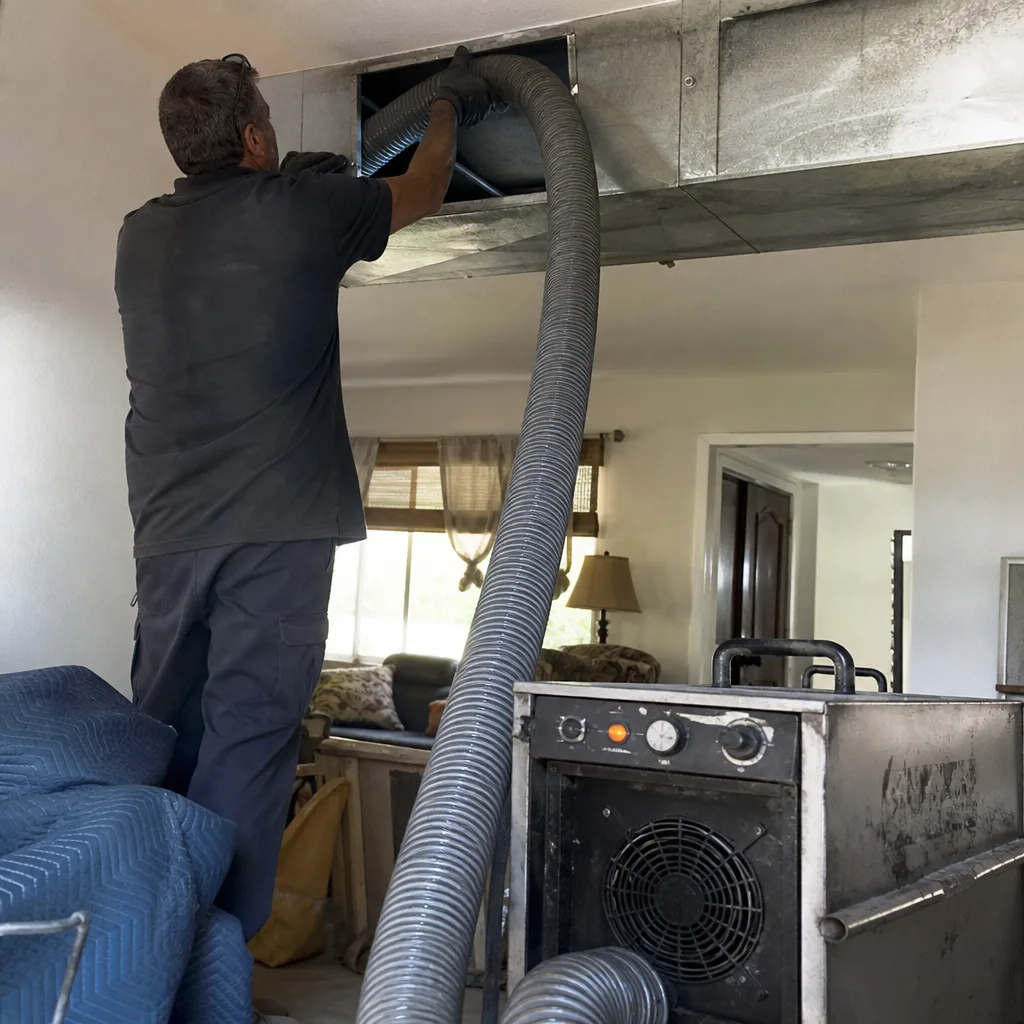
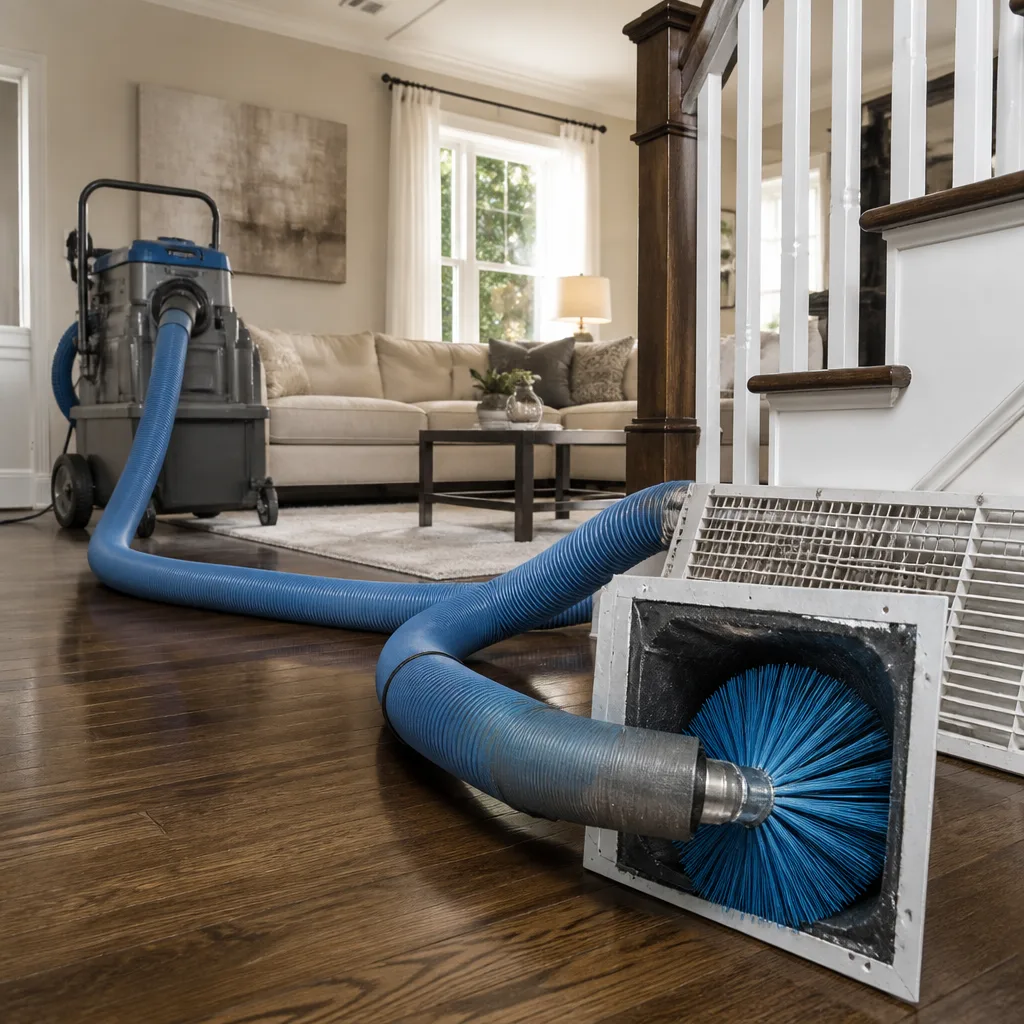 Whole-home duct cleaning
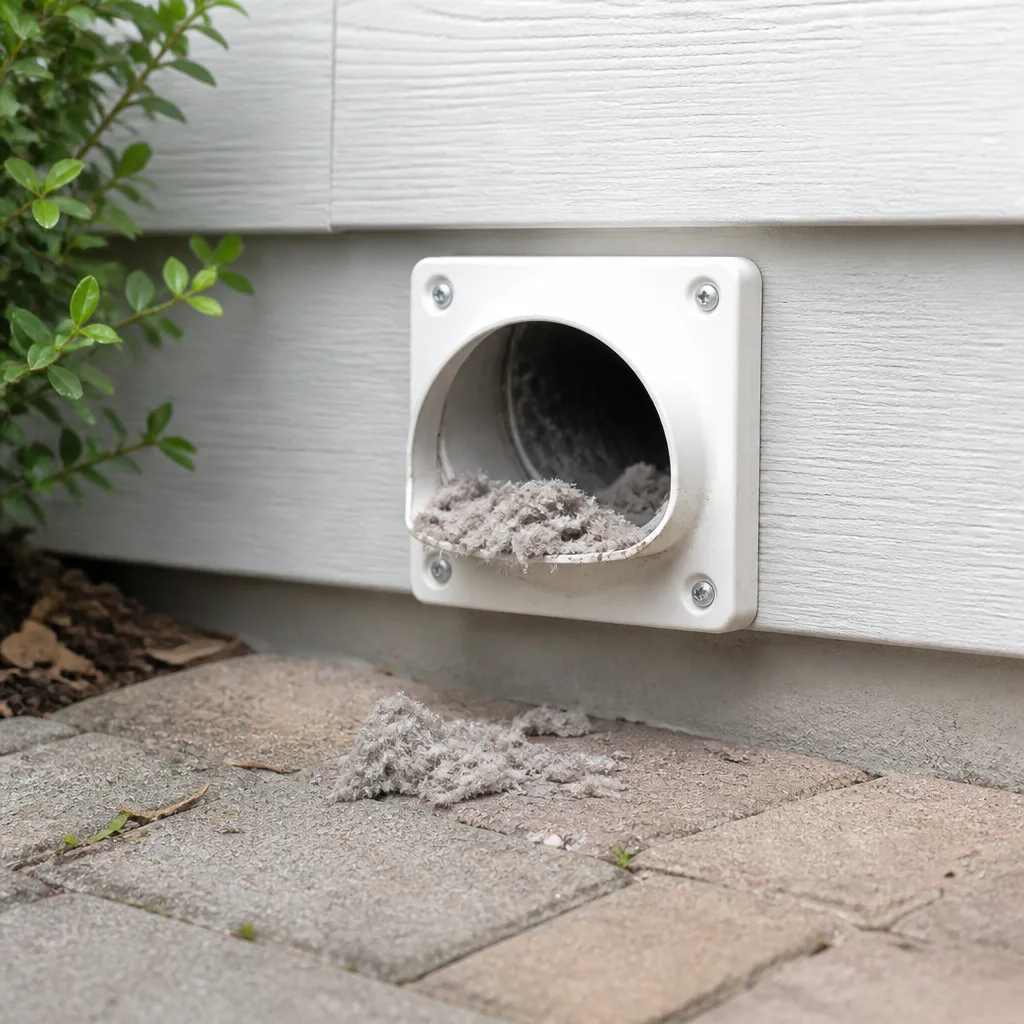 Dryer vent cleaning
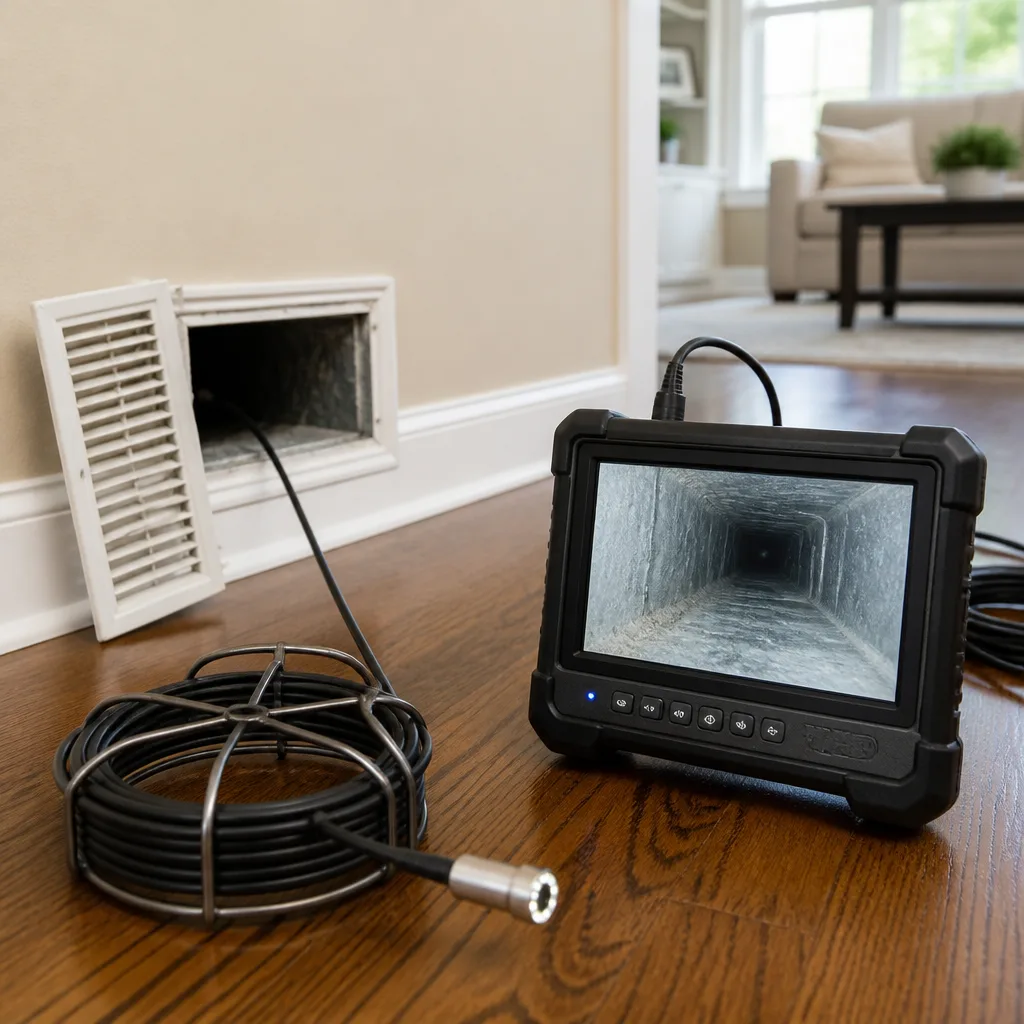 Camera inspection
 Sanitizing & deodorizing
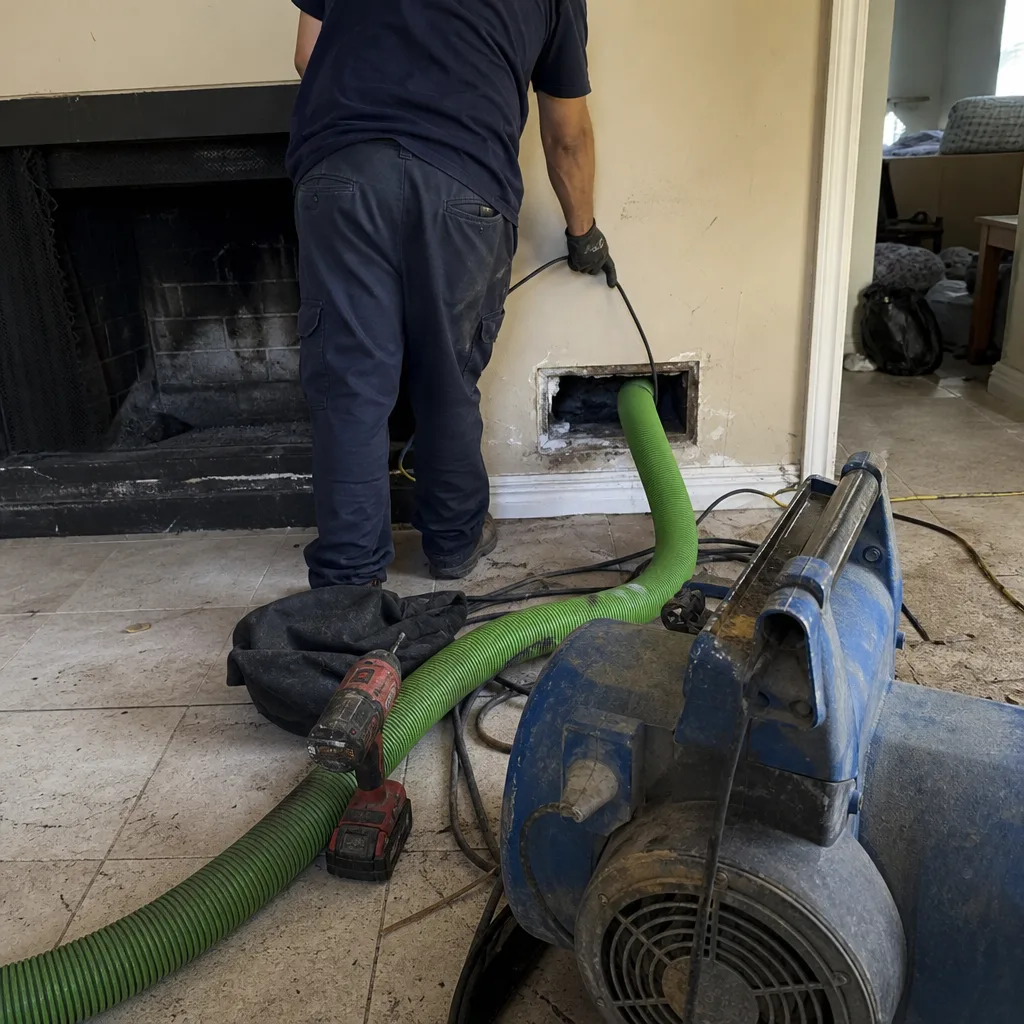
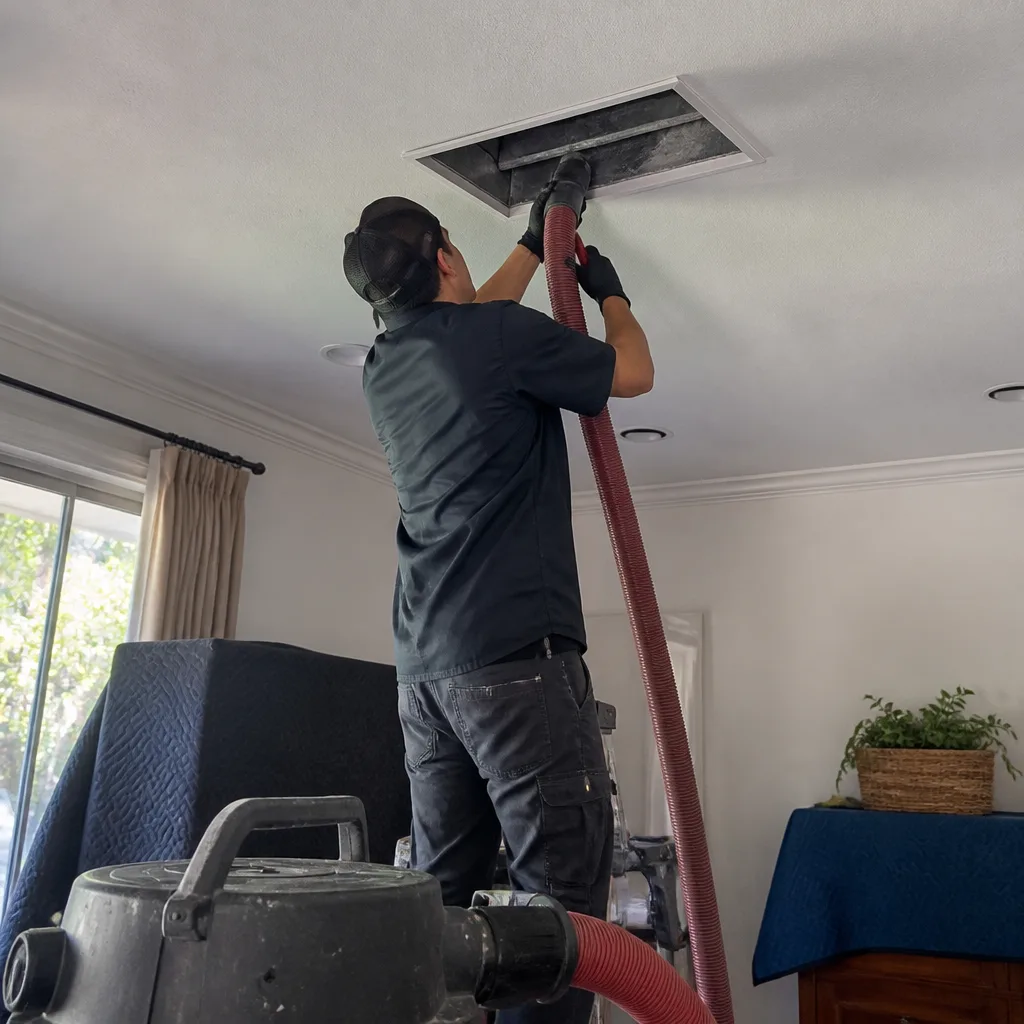
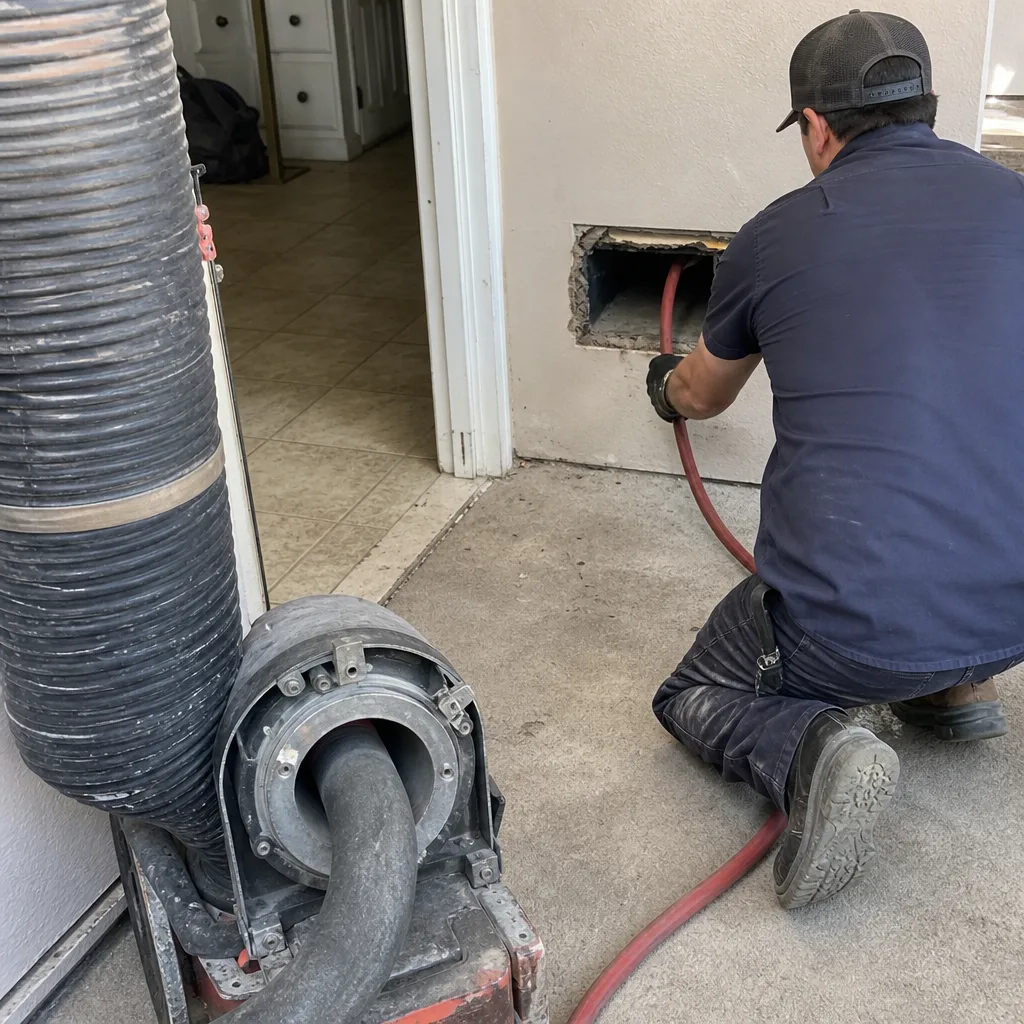
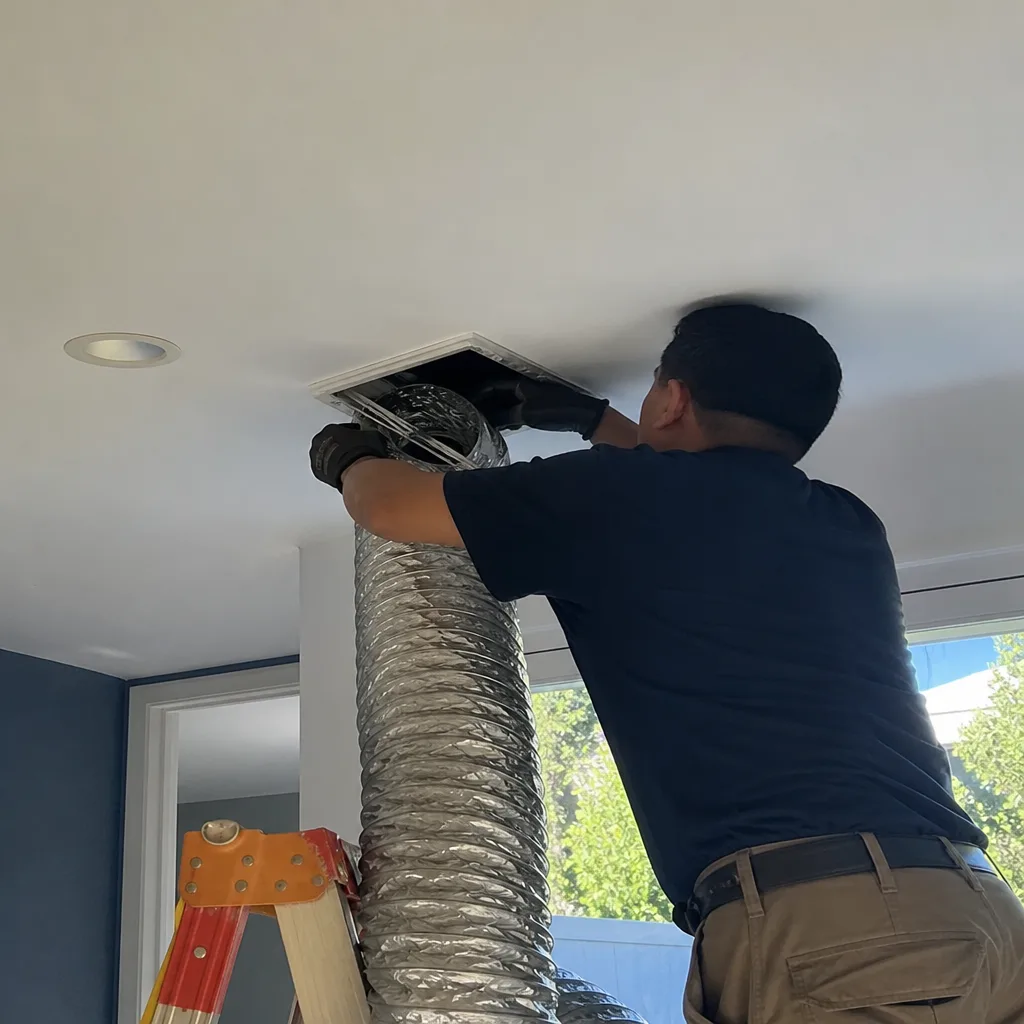
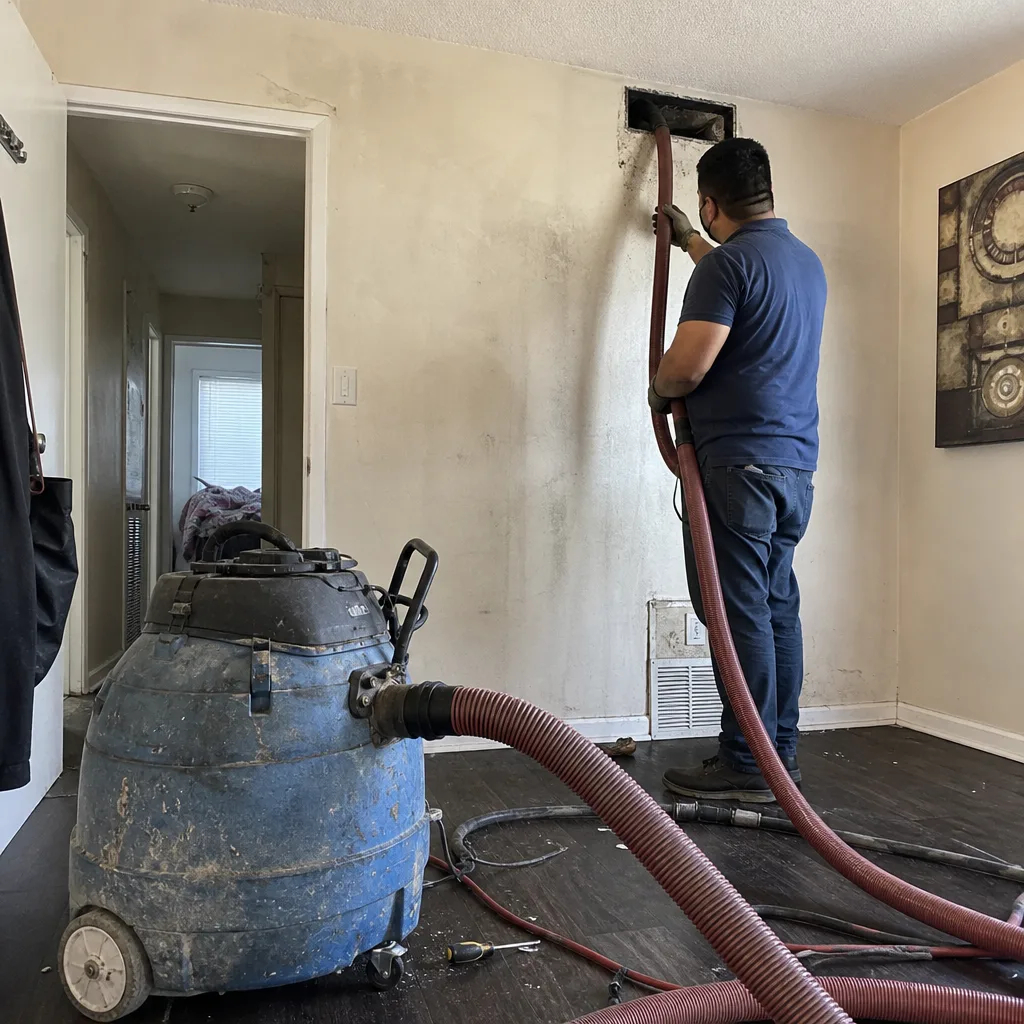
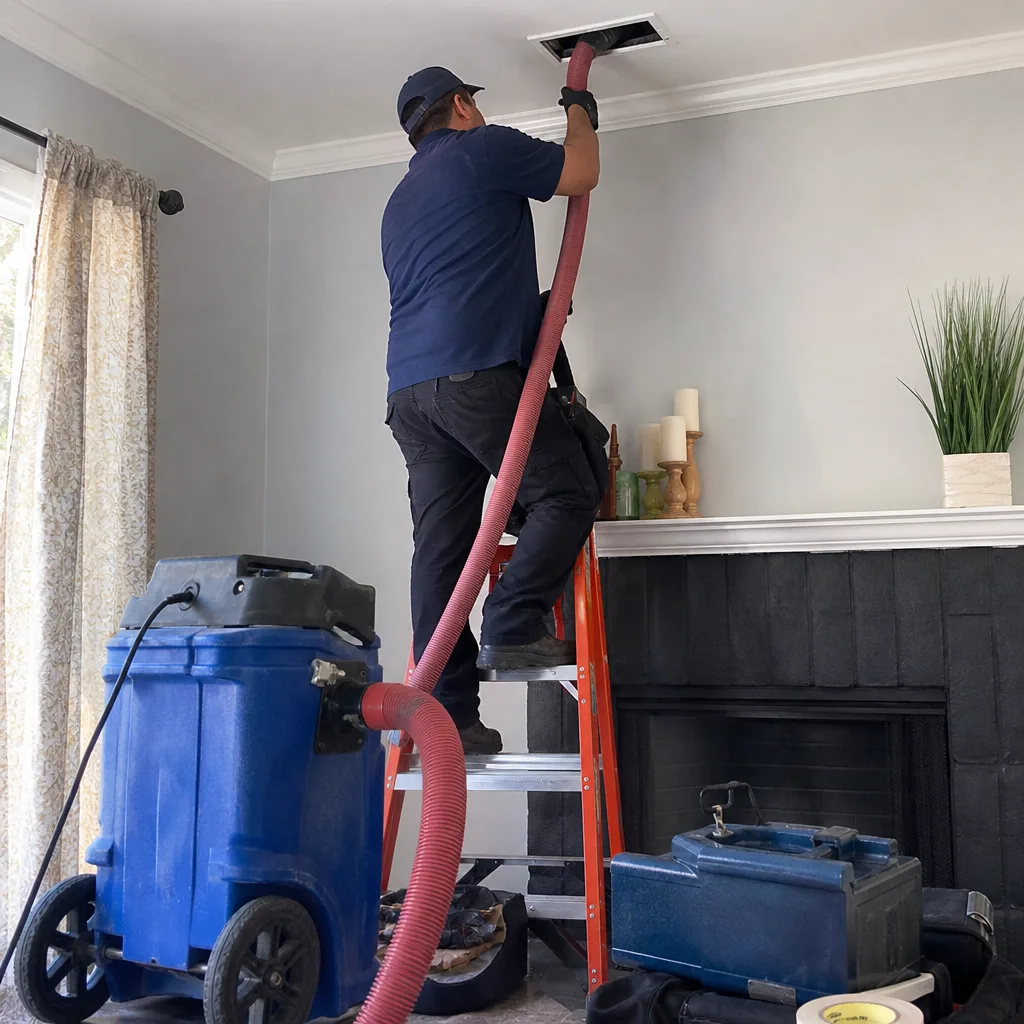
Whole-system duct and dryer vent check with before-and-after photos - you see exactly what came out of your vents
That "$99 whole-house special" is a bait ad - the real number appears once they are in your hallway, or the "clean" is a shop-vac at the register. We photograph the inside of your ducts before and after instead.
Seasonal Air Duct Cleaning Care for Northridge: Year-Round Homeowner’s Guide
Scheduling a duct cleaning in January because “it’s been a year” ignores the fact that your system spent October running through some of the highest outdoor particulate counts in the country. Northridge sits in the San Fernando Valley, where the Santa Ana winds push ash, dust, and fine debris from the surrounding hills directly into residential neighborhoods. Your HVAC system doesn’t care about calendar quarters. It responds to what’s actually in the air, and in Northridge, that means fire-season particulate load in the fall and startup stress in late spring are the two moments that matter most. This guide breaks down what you should do, when you should do it, and why the standard “twice a year” advice doesn’t fit this city. For more detail, see our Air Duct Cleaning Cost Breakdown: The Northridge Homeowner’s Reference for 2026.
Quick Answer
Northridge duct care should follow two high-risk windows rather than a fixed seasonal calendar: a post-fire-season cleaning in late October or early November, and a pre-cooling-season inspection in May. Between those, homeowners should monitor airflow and dust accumulation, and run a two-year rotating schedule that alternates full cleanings with duct-integrity inspections. The goal is to match the work to what the valley’s actual weather pattern does to your ductwork, not to an arbitrary interval.
Styles & brands we work with
- Whole-home duct cleaning
- Dryer vent cleaning
- Camera inspection
- Sanitizing & deodorizing
Table of Contents
- Fall Post-Fire-Season Protocol: What Smoke Particulate Does to Duct Liner and Filter Media
- Spring Pre-Cooling-Season Check: Why the First AC Run of the Year Matters
- Summer Performance Signs That Indicate Duct Leakage, Not Equipment Failure
- Winter Humidity and Condensation Risks in Valley Homes
- How to Build a Two-Year Rotating Schedule
- Why Dryer Vents Have Their Own Seasonal Logic
- Common Mistakes to Avoid
- When to Call a Professional
- Frequently Asked Questions
Fall Post-Fire-Season Protocol: What Smoke Particulate Does to Duct Liner and Filter Media
By the time October ends, Northridge homes have typically spent six to eight weeks exposed to some combination of wildfire smoke, wind-driven dust, and the fine grit that Santa Ana conditions carry into the valley. What most homeowners don’t realize is that the damage isn’t limited to the air filter. Smoke particulate is acidic and fine enough to embed in duct liner, cling to the interior walls of flexible duct runs, and coat the evaporator coil. Once it settles, it doesn’t leave on its own. The next time your furnace kicks on, that residue becomes part of the air circulating through your living room.
In our experience with Air Duct Cleaning in Northridge, homes in neighborhoods like Sherwood Forest and Granada Hills border areas show noticeably heavier fall particulate loads than homes closer to the CSUN campus, simply because of proximity to open hillsides and wind corridors. We’ve opened returns in Porter Ranch after a bad fire season and found a fine gray film across the entire interior surface, even in homes where the occupants changed their filters monthly. The filter caught what it could. The rest moved downstream.
A proper fall cleaning addresses three things. First, it removes the particulate layer from duct interiors before winter heating season forces it through the living space. Second, it clears the filter housing and blower compartment, where fine ash tends to accumulate and restrict airflow. Third, it gives the system a clean starting point for the months when windows stay shut and indoor air quality depends entirely on the HVAC system.
What a fall cleaning should include
- Full duct interior cleaning using brush-fed agitation, not just vacuum suction. Smoke residue adheres; it doesn’t just sit loose.
- Filter housing inspection and cleaning – ash bypasses filters in fine-particle form and collects where the filter seats.
- Blower compartment cleaning – the blower wheel collects a surprising amount of fine debris during fall.
- Supply and return register cleaning – these are the visible indicators homeowners can check themselves monthly.
If your home is within a mile of open brushland or you ran your AC during an active smoke advisory, the fall window matters even more – see our Air Duct Cleaning Emergency Preparedness Guide for Northridge Homes for what to do after smoke exposure. The particulate load in those conditions is not subtle.
Spring Pre-Cooling-Season Check: Why the First AC Run of the Year Matters
In Northridge, late May is when most homes flip from heat to cooling for the first time. That first AC run is more consequential than most people think. Whatever settled in the ductwork over winter – dust from holiday foot traffic, pet dander, lint, dead insects, the fine debris tracked in during rainy weeks – gets stirred up and distributed through the house in the first few cooling cycles. By the time you smell that faint musty odor, you’re breathing six months of accumulated particulate.
The spring window is also when duct integrity failures show themselves. Flexible ducts in attics expand and contract through winter temperature swings. Attic temperatures in Northridge routinely hit 130 degrees by June. That thermal stress loosens connections, separates joints, and in aging homes, causes duct tape to fail. A spring inspection catches these problems before the cooling season forces your system to work against leaks.
Spring pre-cooling checklist
- Run the system for 15 minutes before the first heat wave. Listen for rattles, whistles, or airflow differences between rooms.
- Check supply registers for dust buildup. If they’re coated after only a few cycles, the ducts themselves are shedding debris.
- Check the filter. If it’s dark after a single month, your system is pulling in more than it should.
- Inspect visible ductwork in the attic or garage. Look for sagging, separation, or signs of pest activity.
- Schedule a professional inspection if you notice uneven cooling or a rise in allergy symptoms with the first AC use.
We’ve found that spring inspections in Northridge catch a distinct category of problems: disconnected return ducts in homes with original 1970s and 1980s construction, and crushed flex runs in newer developments where attic space is tight. Neither problem is visible from inside the house, but both have a measurable impact on system performance and indoor air quality.
Summer Performance Signs That Indicate Duct Leakage, Not Equipment Failure
When July hits and a Northridge home can’t hold a comfortable temperature, the instinct is to blame the AC unit. Often the compressor and coil are fine. The problem is in the ductwork – and it’s wasting energy while pulling attic air into the living space.
Leaky ducts are the most underdiagnosed issue in valley homes. The Department of Energy estimates that typical duct systems lose 20 to 30 percent of conditioned air to leaks, holes, and poorly sealed connections. In an attic that reaches 140 degrees in summer, that loss isn’t just inefficient. It forces the system to run longer, which pulls more hot, dusty attic air through any openings in the return side, which increases the particulate load in the house. It’s a compounding problem.
Signs that point to duct leakage rather than equipment failure
- Some rooms are consistently hotter than others while the thermostat reads correctly. Equipment failure tends to affect the whole house uniformly. Duct problems are room-specific.
- Your energy bill rises without a corresponding increase in comfort. The system is running more to compensate for lost air.
- Dust accumulates unusually fast in specific rooms. Attic air is entering the conditioned space through return-side leaks.
- The house gets dusty while the filter looks clean. Air is bypassing the filter entirely through gaps in the return duct run.
- You hear a faint whistle or rushing sound from ceilings or walls when the system runs. Air is escaping under pressure.
Here’s what matters: Air Duct Repair in Northridge is a distinct service, not an add-on. When we find a disconnected run or a crushed section during a cleaning, we can repair it in the same visit. Most cleaning-only companies note the problem and refer you elsewhere. We bring the equipment and the repair capability to complete the job in one engagement. Clean ducts that leak are still failing ducts.
Winter Humidity and Condensation Risks in Valley Homes
Northridge winters are mild compared to most of the country, but the valley has a specific humidity pattern that creates real problems for ductwork. Cool, damp winter air meets warm attic environments and produces condensation on uninsulated or poorly insulated duct surfaces. Over time, that moisture supports mold growth on duct interiors, degrades fiberglass duct liner, and creates the musty smell that many homeowners notice when the furnace first runs in the morning.
Homes built before current energy codes often have attic ducts with minimal or compressed insulation. The temperature differential between the conditioned air inside the duct and the air temperature in the attic is enough to produce surface condensation on cold mornings. When that happens repeatedly, the inside of the duct becomes a place where biological growth can establish itself. Cleaning removes existing growth, but the root cause – inadequate insulation or poor sealing – has to be addressed at the same time or the problem returns.
What to look for in winter
- Musty odor when the heater first runs. This is the most common indicator of moisture-related growth in ductwork.
- Visible moisture or staining around supply registers. Surface condensation shows up here first.
- Warps or sagging in flexible duct runs. Moisture weakens the structural integrity of flex duct.
- Increased allergy or respiratory symptoms during winter months when the house is sealed up and the HVAC system is the primary air circulator.
If you see condensation on the outside of ducts in your garage or attic, that’s a problem worth addressing before the wetter weeks of January and February. A professional can assess whether the issue is insulation, airflow, or a combination of both.
How to Build a Two-Year Rotating Schedule
The most practical approach for Northridge homeowners is a two-year rotation that alternates full cleanings with inspection-focused visits. This isn’t a compromise between annual and every-three-years schedules. It’s a recognition that cleaning and inspection are different jobs with different intervals, and bundling them into a single recurring service means one or the other gets shortchanged.
Year One: Full cleaning
- Schedule after the fire-season particulate load has peaked – late October through November.
- Expect a thorough job that includes duct interiors, registers, blower compartment, and filter housing. The goal is a clean system entering winter heating season.
- Add a Dryer Vent Cleaning in Northridge during the same visit if it has been more than a year since the last cleaning.
- Document the condition the technician finds. Photos help you track changes over time.
Year Two: Integrity inspection
- Schedule in May before the first sustained heat wave.
- Focus on connection points, visible duct runs, and any areas that showed wear the previous year.
- Check for leaks, pest intrusion, or insulation degradation that developed over winter.
- Clean only what’s needed. If the system stayed relatively clean through the winter, a light touch is appropriate.
This rotation keeps costs predictable while ensuring that both the cleanliness and the structural integrity of the duct system get professional attention. It also matches the reality of Northridge’s climate – two high-risk windows, two maintenance windows, and no need to treat every season as equal.
Why Dryer Vents Have Their Own Seasonal Logic
Dryer vents don’t follow the same seasonal calendar as HVAC ducts, but they should still be on your schedule. Lint accumulation is a function of dryer use, not outdoor air quality. Most Northridge households run their dryers year-round, which means lint builds continuously. The National Fire Protection Association identifies dryer vent fires as a leading cause of residential fires, and the most common factor is accumulated lint restricting airflow.
We treat dryer vent cleaning as a distinct service, not a footnote to duct cleaning. The tools are different, the access points are different, and the risks are different. A dryer vent that’s been neglected for three years can have six to eight inches of compacted lint reducing the vent opening to a fraction of its original size. The dryer still runs, but it runs hotter, longer, and with a growing fire load sitting in the exhaust path.
Signs your dryer vent needs attention
- Clothes take longer to dry than they did a year ago. Restricted airflow is the usual cause.
- The dryer exterior is hot to the touch during operation. Heat that should be ventilating outside is staying in the unit.
- The outdoor vent flap doesn’t open fully when the dryer runs. Air pressure is too low to push it open.
- You can’t remember the last time the vent was cleaned. That’s your answer.
Homeowners in Northridge who run laundry daily – families, households with kids in sports, anyone with pets – should strongly consider annual dryer vent cleaning. The minimal cost is a fraction of what a vent fire or a premature dryer replacement would cost.
Common Mistakes to Avoid
- Replacing the filter instead of addressing the source. A dirty filter is a symptom. If your filter is black after three weeks, the ducts are carrying particulate into the living space, and a new filter just waits to fill up again.
- Assuming cleaning is only about dust. The cleaning itself matters, but so does the inspection that comes with it. Loose connections, crushed flex runs, and pest intrusion are findings that only show up when someone is actually inside the system.
- Scheduling by calendar quarter instead of by seasonal trigger. April cleaning might be useful, but late October after the Santa Anas is when the work has the most impact.
- Ignoring uneven room temperatures. Rooms that never quite reach the thermostat setting are telling you something about the duct runs serving those rooms. It’s not usually the AC unit.
- Using a service that only vacuums. Brush-fed agitation is what removes adhered particulate. Vacuum-only methods leave the film that causes recurring problems.
- Forgetting the dryer vent. The HVAC ducts and the dryer vent are separate systems with separate failure modes. Cleaning one doesn’t address the other.
- Waiting for a smell or visible problem before acting. By the time you notice a musty odor or visible mold around a register, the condition has been developing for months. The time to address it was before you noticed.
When to Call a Professional
Call a professional when you see black dust accumulating around supply registers within weeks of cleaning them, when rooms stay consistently warmer or cooler than the rest of the house, or when you smell anything musty or burnt when the system runs. Call when you’ve had a fire-season smoke event and your home was in the plume, even if you changed filters afterward. Call when your dryer takes two cycles to dry a normal load. These are not conditions that improve with time. Air Duct Cleaning Northridge offers free estimates in Northridge – call (833) 968-4871 and we’ll tell you what’s actually in your ductwork and what it’ll take to fix it.
Frequently Asked Questions
Most Northridge homes do well with a full cleaning every two years, provided the fall post-fire-season window is the scheduling priority. Homes with pets, smokers, recent remodeling, or proximity to open brushland may need more frequent attention. The interval matters less than the timing – a cleaning in November does more good than a cleaning in March.
Fall follows the Santa Ana wind season and any wildfire smoke events, which means the particulate load in your ductwork is at its annual peak in late October and early November. Cleaning then removes that load before winter heating season circulates it through the house. Spring cleaning is useful for checking system integrity before cooling season, but the fall window addresses the heaviest contamination.
Smoke particulate is fine enough to bypass standard HVAC filters and acidic enough to adhere to duct liner, flexible duct walls, and coil surfaces. Once embedded, it doesn’t come loose on its own and can contribute to odors and respiratory irritation when the system runs. Brush-fed agitation is typically required to remove it; vacuum-only methods leave the film in place.
Duct leaks tend to produce room-specific problems – one bedroom stays hot, one hallway always smells dusty – while equipment failure affects the whole house more uniformly. Rising energy bills without a comfort improvement, dust accumulation in specific rooms, and whistling sounds from ceilings when the system runs all point to ductwork rather than the AC unit itself.
Some can, and some can’t. Many cleaning-only companies note damage and refer you elsewhere. Air Duct Cleaning Northridge home service area includes air duct repair as a named service, which means a disconnected or crushed duct run found during cleaning can be fixed in the same visit rather than waiting for a second company and a second appointment.
Annual cleaning is the right baseline for most households, especially those running multiple loads per week. The lint load builds continuously, not seasonally, and the fire risk scales with accumulation. If you can’t remember when the vent was last cleaned, it’s overdue. Call (833) 968-4871 for a free estimate.
The Bottom Line
Northridge duct care is not a quarterly chore. It’s a two-window system: clean after the fall particulate load peaks, inspect before the summer cooling season begins, and use the months between as monitoring periods. The rotating two-year schedule – full cleaning one year, integrity inspection the next – keeps both cleanliness and structural soundness in view without doubling your annual spend. The homes in this valley deal with specific conditions: Santa Ana winds, fire-season smoke, 140-degree attics, and winter condensation. The right maintenance plan acknowledges those conditions directly. That’s the difference between duct work that gets done and duct work that actually works.
Written by the team at Air Duct Cleaning Northridge, serving Northridge since 2014.
See the difference
 Before
 After
 Before
 After
 Before
 After