
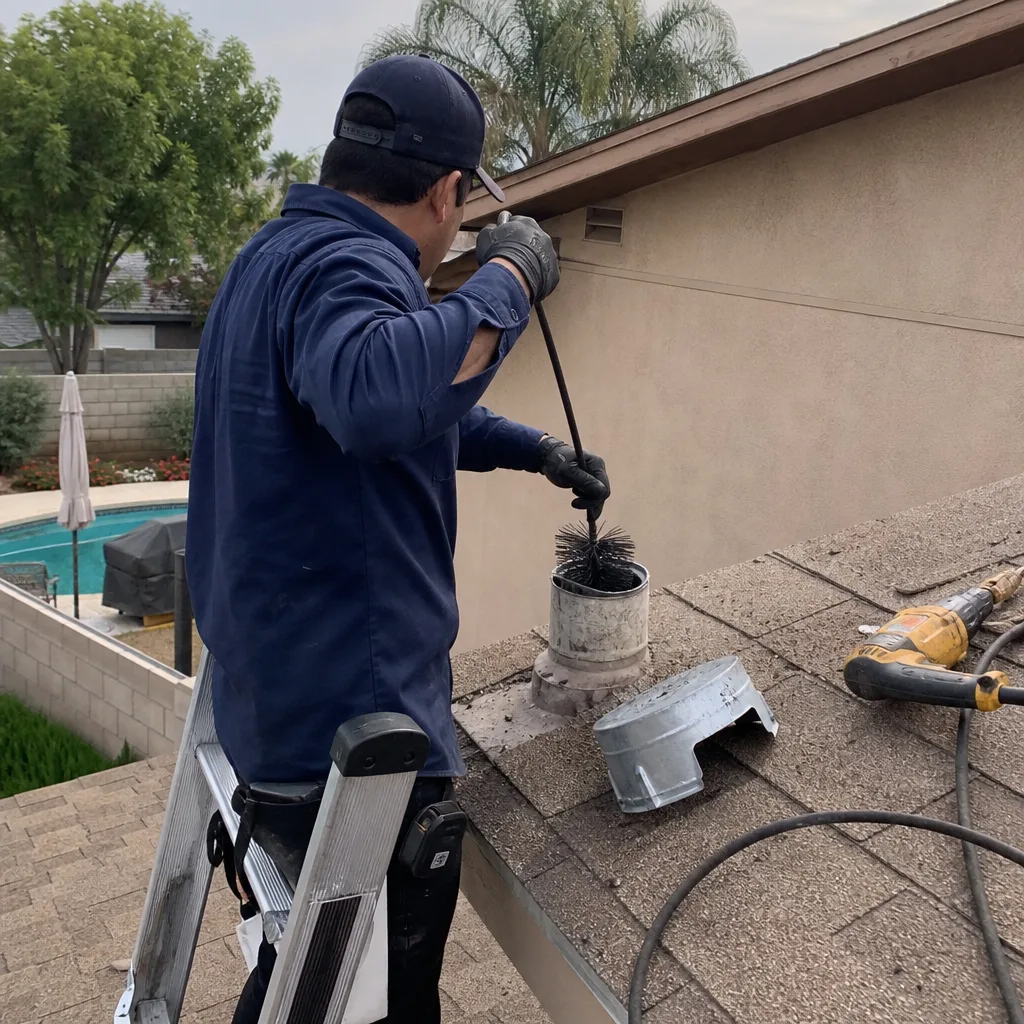
Last updated November 2, 2026
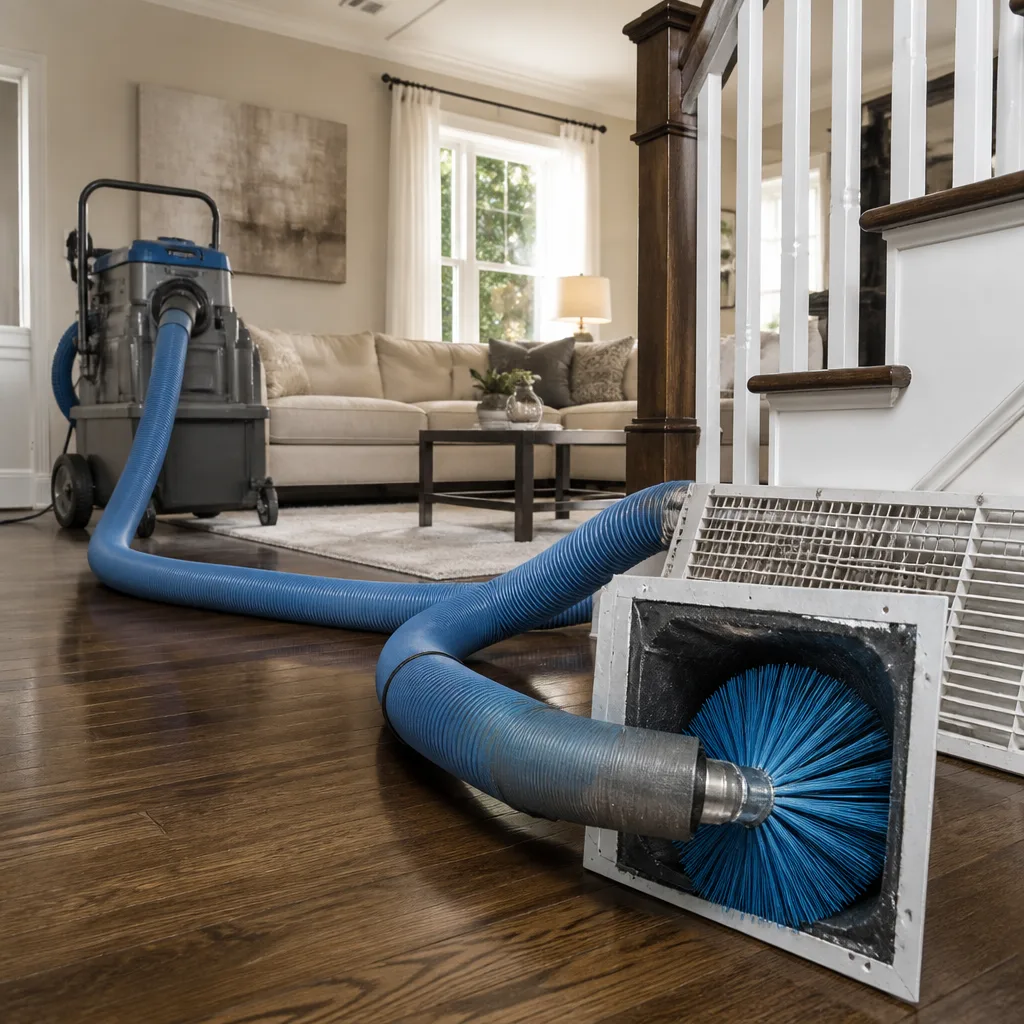 Whole-home duct cleaning
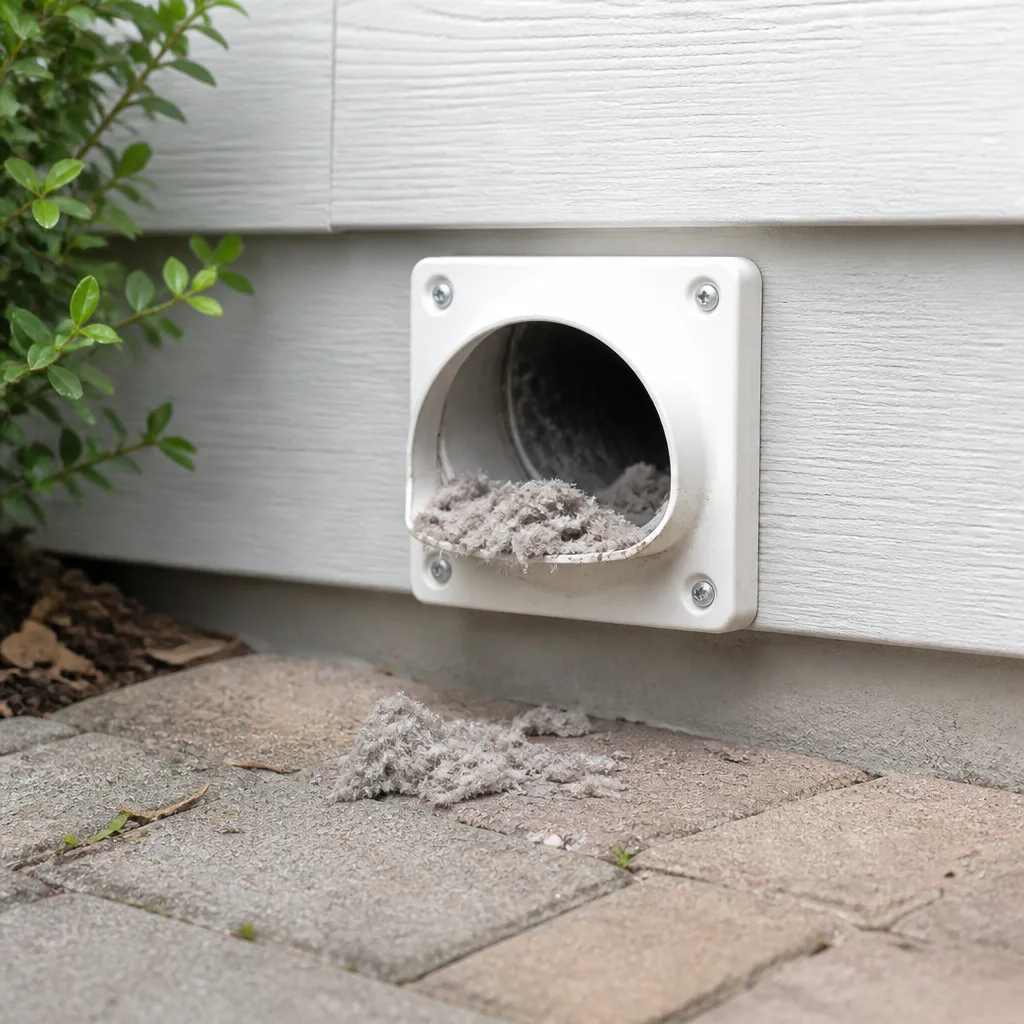 Dryer vent cleaning
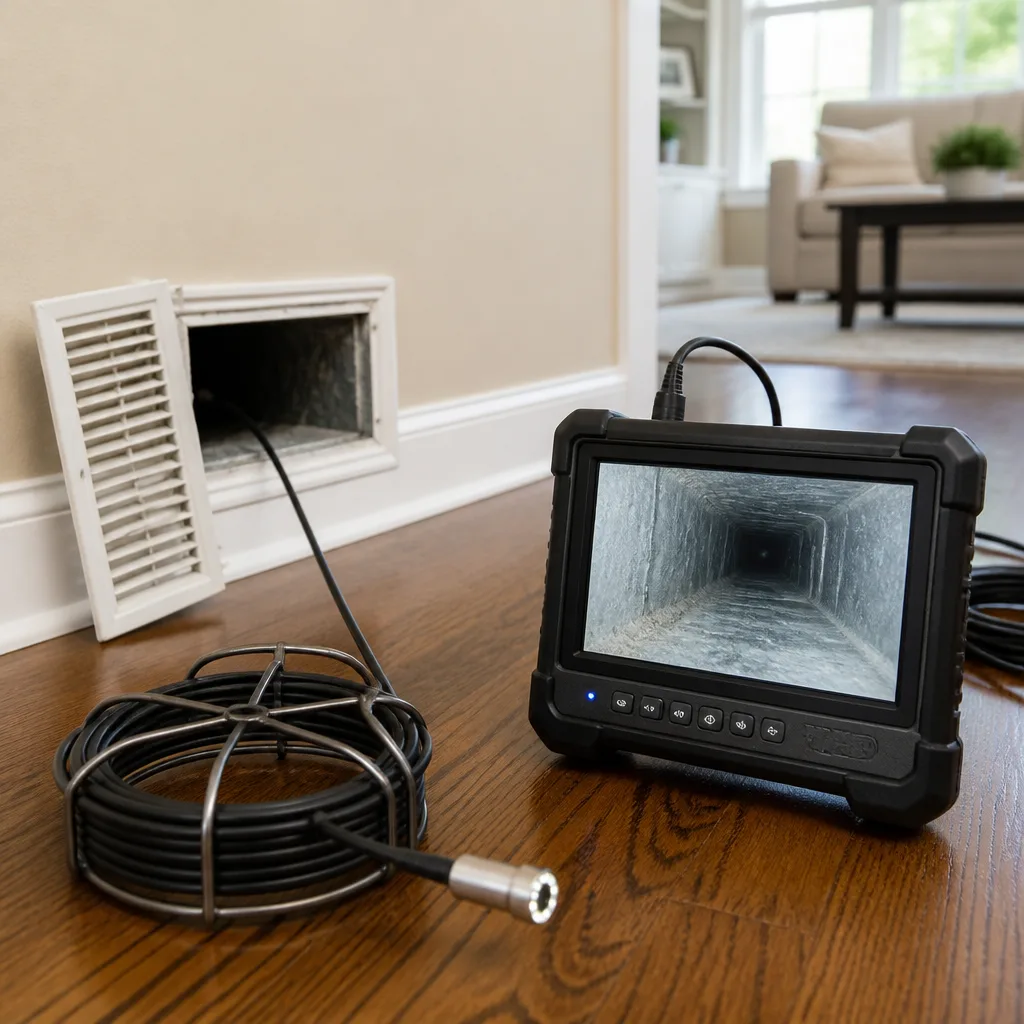 Camera inspection
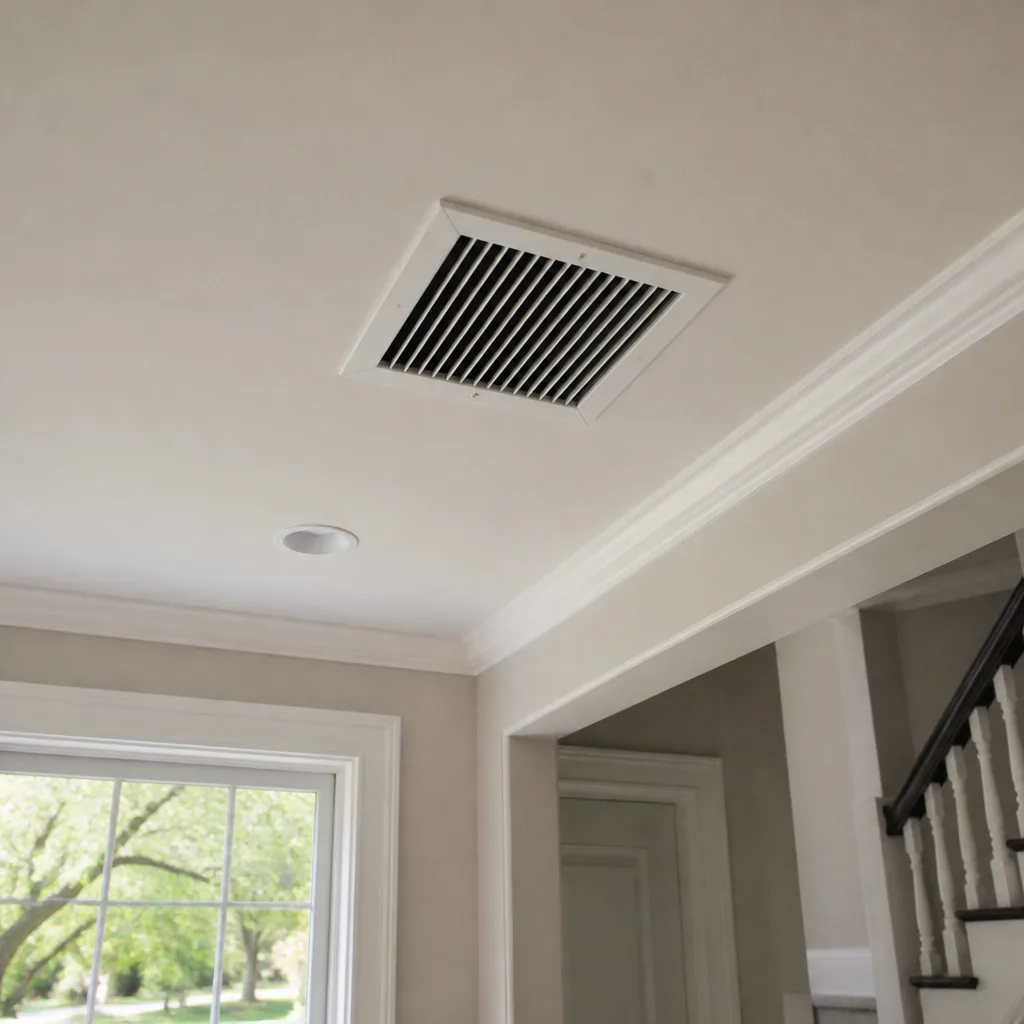 Sanitizing & deodorizing
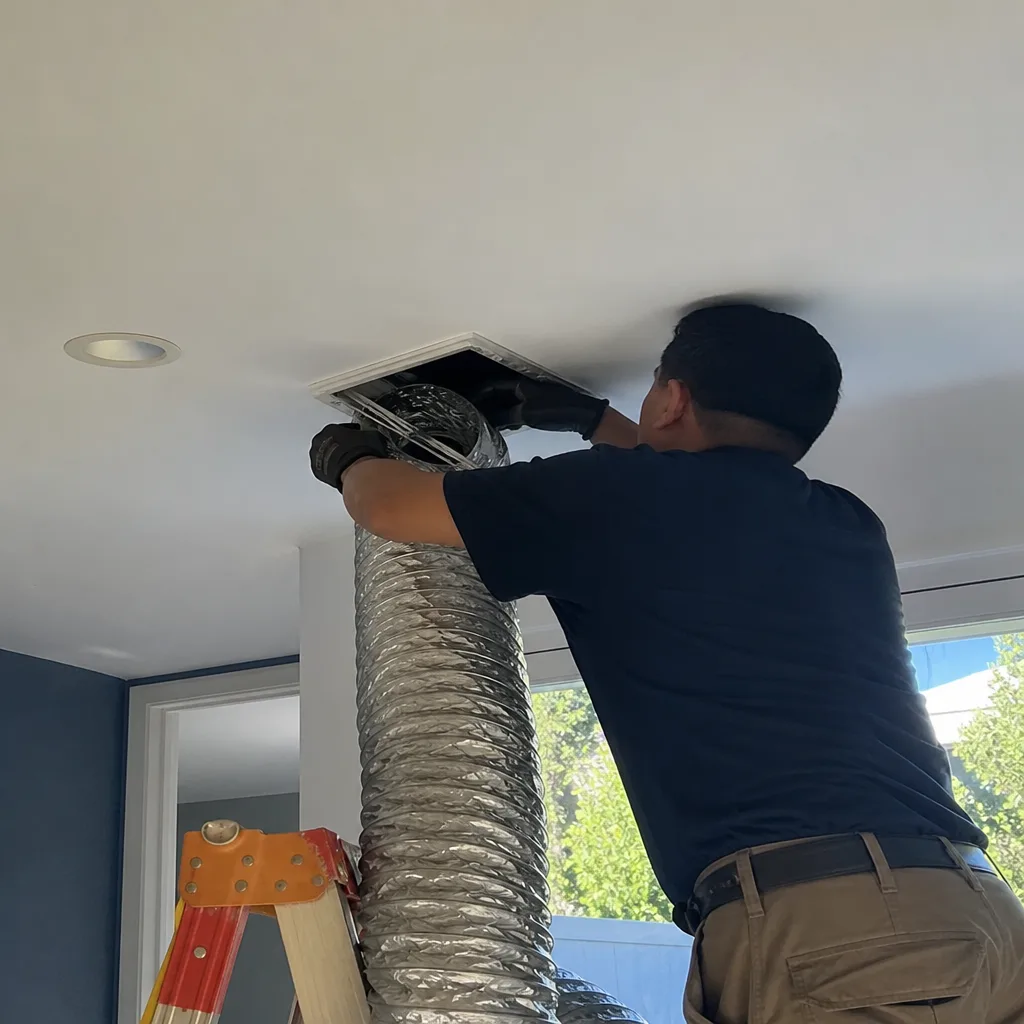
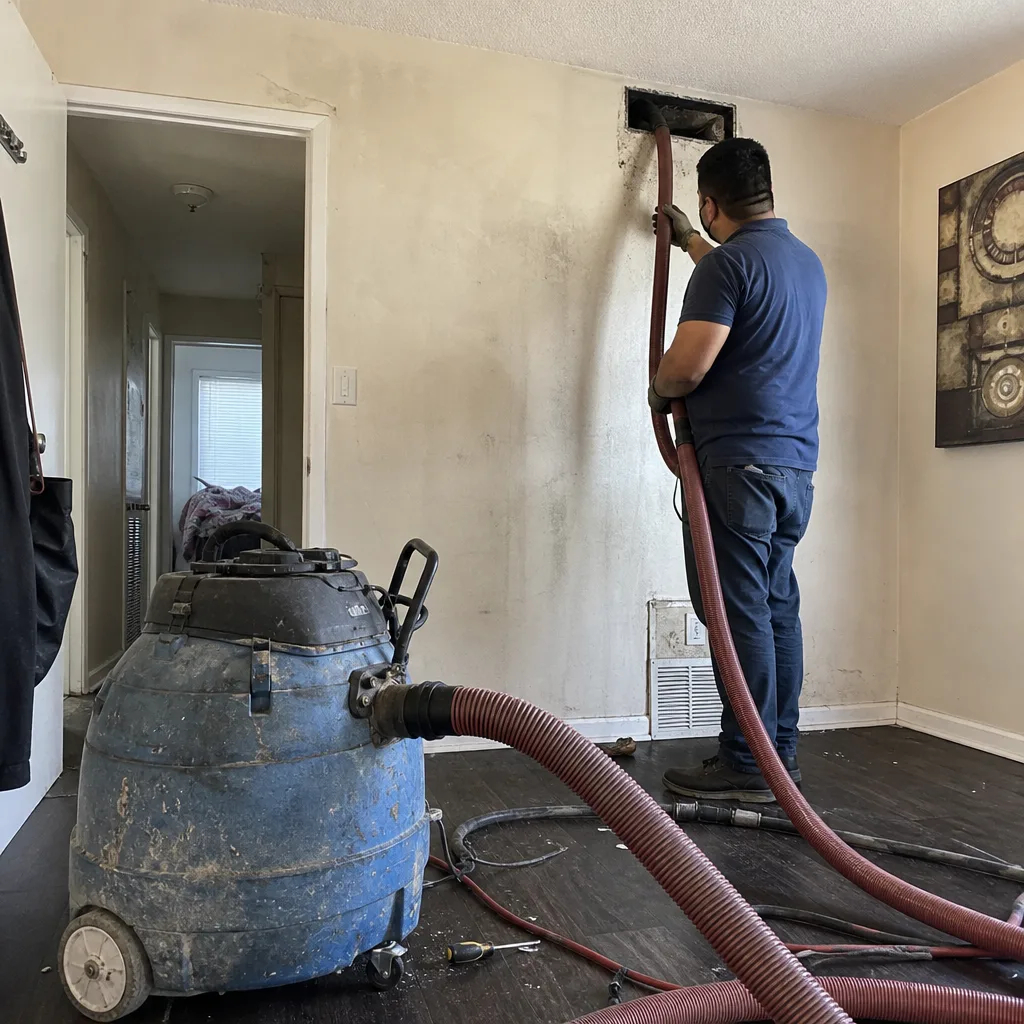
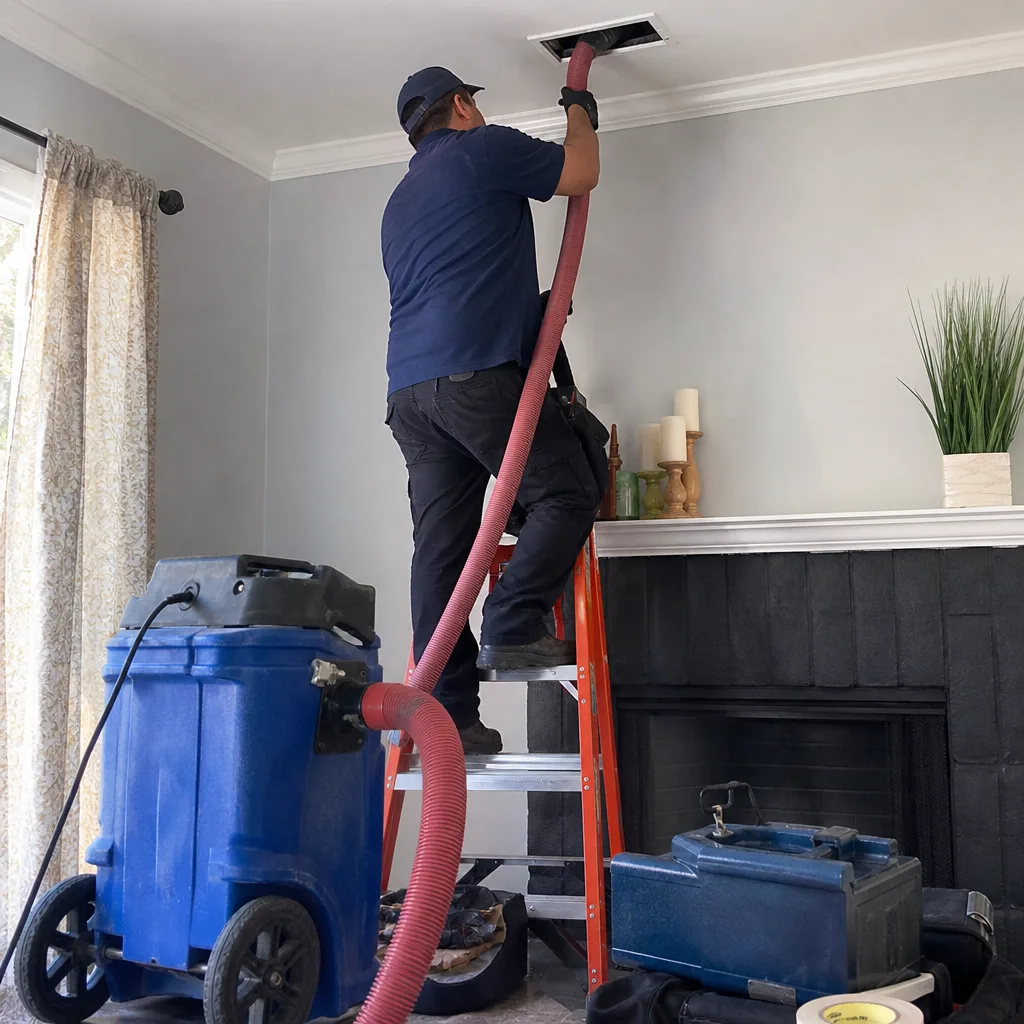
Whole-system duct and dryer vent check with before-and-after photos - you see exactly what came out of your vents
That "$99 whole-house special" is a bait ad - the real number appears once they are in your hallway, or the "clean" is a shop-vac at the register. We photograph the inside of your ducts before and after instead.
Air Duct Cleaning Cost Breakdown: The Northridge Homeowner’s Reference for 2026
A $199 whole-house duct cleaning and a $900 whole-house duct cleaning can both be legitimate quotes. Or one can be a bait price that triples once the technician is standing in your hallway. The difference comes down to what’s actually inside the scope: equipment time, labor depth, access points, and remediation materials. Most Northridge homeowners can’t compare quotes because every contractor bundles these differently under the same label. This guide breaks the pricing down to its component parts so you can read a quote the way a building inspector reads a permit.
Styles & brands we work with
- Whole-home duct cleaning
- Dryer vent cleaning
- Camera inspection
- Sanitizing & deodorizing
Quick Answer
Air duct cleaning in Northridge typically costs between $350 and $750 for a complete whole-system cleaning of a 1,500 to 2,500 square foot home, with larger homes or contaminated systems running $800 to $1,200 or more. The price depends on system size, duct accessibility, contamination type, and whether repair or sanitizing work is included. A legitimate quote will specify access points, equipment type, and post-cleaning verification method.
Table of Contents
- Why Northridge Duct Cleaning Quotes Vary So Wildly
- Per-Vent vs. Whole-System Pricing: Which Protects You
- What Legitimately Adds Cost: The Five Real Drivers
- Northridge-Specific Cost Factors Most Guides Miss
- How to Read a Duct Cleaning Quote Line by Line
- Where Upsells Are Justified vs. Margin Padding
- Why the Equipment Matters More Than the Price
- Common Mistakes to Avoid
- When to Call a Professional
- Frequently Asked Questions
- The Bottom Line
Why Northridge Duct Cleaning Quotes Vary So Wildly
Duct cleaning is one of the few home services where the same words mean different things from contractor to contractor. One company’s “whole-house cleaning” means 45 minutes with a rotating brush. Another’s means three hours with negative-air containment and HEPA-filtered extraction. Both write “air duct cleaning” on the invoice. Neither is lying. But the outcomes are not the same job.
In our experience across Northridge homes, we’ve reviewed quotes from $199 to $1,400 for what appeared to be identical requests. The variance almost always traces to four things:
- Scope depth: How many access points are opened? How far into the branch lines does the cleaning reach?
- Equipment class: Consumer-grade vacuum versus professional negative-air systems like Abatement Technologies units with true HEPA filtration.
- Labor time: A two-person crew for three hours costs more than one person for 45 minutes. It also cleans more.
- Post-work verification: Before-and-after photos, camera inspection, or just a verbal “all done.”
A low price isn’t automatically a scam, and a high price isn’t automatically honest. What matters is whether the quote documents what’s actually happening in your ductwork. That’s the test.
Per-Vent vs. Whole-System Pricing: Which Protects You
Some companies price by the vent. Others quote a flat system price. Both have tradeoffs, and understanding them is the first step in apples-to-apples comparison.
Per-vent pricing looks like $25 to $40 per vent. A home with 12 vents totals $300 to $480. Simple. But the per-vent model has a built-in flaw: it incentivizes the contractor to move fast. Each additional vent is marginal revenue, so there’s pressure to spend less time per vent. It also penalizes larger homes, which isn’t a problem for your wallet if you own a smaller house, but it matters for fairness. The dirty secret of per-vent pricing is that “vent” is rarely defined. Does it count supply registers only, or returns too? Does it include the main trunk line, or is that extra? Ask before you sign.
Whole-system pricing gives one number for the entire duct network: main trunk, branch lines, supply registers, return plenum, everything. This is the model we use. It rewards thoroughness because the work isn’t metered per opening. It also protects homeowners in larger Northridge homes, where counting vents can inflate the bill well past what whole-system pricing would deliver for the same job.
- Ask how “vent” is defined. Supplies, returns, or both? Main trunk included?
- Calculate the all-in number for your actual home. Don’t compare a per-vent quote to a whole-system quote without doing the math.
- Get the scope in writing. “12 supply registers, 2 returns, main trunk line, and plenum” is a scope. “Duct cleaning” is not.
- Prefer whole-system quotes when comparing across companies. They normalize the comparison.
The goal isn’t to avoid per-vent pricing. It’s to know what you’re actually buying under either model.
What Legitimately Adds Cost: The Five Real Drivers
If a quote comes in higher than you expected, one or more of these factors is usually responsible. None are inherently illegitimate. All should be named in the quote.
1. System Size and Duct Length
Square footage is a rough proxy, but duct length is the real variable. A 1,800-square-foot Northridge ranch with a compact central HVAC closet may have less ductwork than a 1,400-square-foot two-story where the air handler sits in the attic and branch lines stretch across the roof span. More linear feet means more brushing, more extraction time, and more access points.
2. Duct Material Type
Rigid sheet metal ducts clean faster than flexible insulated duct. Flex duct, common in many Northridge homes built since the 1980s, requires gentler brushing to avoid tearing the inner liner. It takes longer. It’s also more likely to need repair, which is a separate line item. Older homes may have fiberglass duct board, which needs special care to avoid releasing fibers into the airstream.
3. Access Difficulty
An attic duct system in a Northridge summer is a different job than a basement system in another climate. Attic temperatures routinely exceed 130°F during peak cleaning months. Technicians need to work in shorter intervals, stay hydrated, and protect themselves properly. That’s real labor cost. Tight crawlspaces add similar friction. Homes where the air handler is in a garage closet with good access clean faster and cost less.
4. Contamination Type and Level
Light dust accumulation is routine. Heavy construction dust, pet dander packed into fiberglass insulation, or visible mold growth on duct surfaces is not. Mold requires sanitizing protocols with EPA-registered products, which adds materials and time. Construction dust from a recent remodel may require multiple passes. If the previous owner ran the HVAC without filters, the buildup can be severe enough to double standard labor.
5. Filter and System Condition
If the air filter hasn’t been changed in years and the evaporator coil is caked, that’s not a duct cleaning problem alone. A good technician will flag it. Adding a coil cleaning or recommending a filter upgrade isn’t an upsell. It’s the difference between cleaning the ducts and cleaning the system. Homes with Honeywell or Aprilaire whole-home filtration systems already installed tend to have cleaner ductwork, which can reduce cleaning time and cost.
Northridge-Specific Cost Factors Most Guides Miss
Generic duct cleaning articles miss what actually affects pricing in the San Fernando Valley. Here’s what matters in Northridge specifically.
Attic duct runs in extreme heat. Most Northridge homes route ductwork through uninsulated or minimally insulated attics. Summer daytime temperatures in attic spaces regularly exceed 130°F. Technicians have to schedule early morning work, limit time in the attic, and rotate crew members. That’s labor reality, not an excuse. It also means duct material ages faster, making repairs more common. We regularly see flex duct that has become brittle from years of heat cycling, which brings us to the next point.
Older flex duct replacement integration. Many Northridge homes built since the 1970s and 1980s use flexible insulated duct. That material degrades in sustained heat. By the time a homeowner calls for cleaning, we often find sections that are disconnected, crushed, or torn. That’s a repair issue, not a cleaning issue. A company without Air Duct Repair in Northridge capability will either ignore the damage or tell you to call someone else. A company that repairs ductwork fixes it in the same visit, but it adds to the invoice. Legitimately.
Valley dust and Santa Ana winds. Northridge sits in a basin that collects airborne particulate. The Santa Ana winds push dust from the high desert through the Valley, and much of it settles in homes. Homes near major corridors or construction zones see accelerated duct contamination. We’ve cleaned systems in Northridge that looked more like construction site ductwork than residential, simply from months of local wind patterns and open windows.
System age and equipment positioning. Pre-1990s Northridge homes often have the air handler in a closet or garage. 1990s and newer tend toward attic-mounted equipment. Attic-mounted systems are harder to access and service, which affects both cleaning and Air Duct Cleaning in Northridge costs. Older closet systems are easier to reach but may have more corrosion on metal duct surfaces.
How to Read a Duct Cleaning Quote Line by Line
A real duct cleaning quote is a scope of work, not a price tag. Here’s how to read one the way we’d read it.
The Three Items That Must Appear
- Access point count and location. “Two 8-inch access cuts at the supply plenum and return boot” tells you the contractor actually plans to reach the duct interior. No access points listed means the cleaning is likely register-level only, which is a surface job.
- Equipment type and filtration class. Look for specific equipment references: brush-fed agitation paired with a HEPA-filtered negative-air collection system. “Professional-grade equipment” without naming the system is a red flag. We run Rotobrush brush-fed cleaning tools and Abatement Technologies negative-air containment units on applicable jobs because the equipment determines the result.
- Post-cleaning verification method. Before-and-after camera photos, a post-cleaning visual inspection, or written confirmation of what was removed. If the quote doesn’t include verification, ask how you’ll know the work was actually done. This is the item that separates cleaning from a van ride.
Line Items You Should See
- Supply duct cleaning: trunk line and branch lines
- Return duct cleaning: return drops and plenum
- Registers and grilles: removal, cleaning, and reinstallation
- Blower fan and housing cleaning (partial system clean)
- Filter check and replacement recommendation
- Sanitizing treatment (if applicable, with product named)
- Repair items identified separately with photo documentation
Line Items That Should Raise Questions
- “Whole-house cleaning” with no other detail
- Sanitizing offered without any visual mold confirmation
- Unspecified “air purification” add-ons with no brand or mechanism named
- Charges that appear to be per-vent after the initial system fee
- Vague “deodorizing” services that don’t name the product
Where Upsells Are Justified vs. Margin Padding
Not every add-on is a scam. Some are genuinely necessary. The distinction comes down to whether the recommendation is tied to something you can see or verify.
Justified Add-Ons
- Sanitizing after confirmed mold. If visual inspection or testing confirms mold on duct surfaces, applying an EPA-registered sanitizer is a legitimate remediation step. The product should be named on the invoice.
- Duct repair identified during cleaning. A disconnected branch line or crushed flex section isn’t an upsell. It’s a finding. Fixing it while the system is open saves you a second service call. This is why Air Duct Repair in Northridge matters as a service line: the cleaning reveals the problem and the repair solves it in one engagement.
- Whole-home filtration integration. Recommending a Honeywell or Aprilaire filtration system after documenting heavy buildup isn’t padding. It’s preventing the next cleaning from being as bad. We’re aligned with both brands because long-term air quality is a system design question, not a single-visit event.
- Dryer Vent Cleaning in Northridge. If you’ve never had the dryer vent cleaned, and the technician asks about it, that’s not an afterthought upsell. It’s a fire safety check. Dryer vents are a fire risk, not a maintenance footnote.
Margin Padding to Question
- Sanitizing with no mold evidence. “Disinfecting” clean ducts is spraying for a problem that hasn’t been found.
- Unspecified “deep clean” packages. If the standard clean already includes full branch line work, what does “deep” mean beyond the same scope with different words?
- Odor treatments with unnamed products. If they won’t tell you what they’re spraying, don’t approve the charge.
- Duct sealing offers without testing. Sealing ducts is valuable when there’s measured leakage. If there’s no pressure test before or after, you can’t verify the work.
Why the Equipment Matters More Than the Price
The single biggest variable in Northridge duct cleaning isn’t labor rate. It’s what equipment the crew brings to the job. A consumer-grade vacuum attached to a register cannot replicate what a professional negative-air system accomplishes.
Brush-fed agitation with true HEPA extraction. We run Rotobrush brush systems to dislodge debris from duct walls and Abatement Technologies negative-air units to contain and capture what the brush releases. The negative-air approach creates a vacuum environment inside the duct system, pulling dislodged debris toward the collection point instead of allowing it to enter the living space. Without containment, brushing simply redistributes dust from the ducts into your home. We match the equipment to the job because one tool doesn’t fit every system.
What professional-grade equipment actually changes:
- Debris is contained, not cross-contaminated into the home
- Fine particulate is captured by HEPA filtration, not blown out a window or trapped in a shop vac filter
- Brush agitation reaches the duct walls, not just the loose dust near the register
- Access points allow full trunk line work, not register-level surface cleaning
This is why two quotes can be $400 apart for the “same” job. They’re not the same job. One is a cleaning. The other is a cleaning plus containment and verified extraction.
Common Mistakes to Avoid
- Comparing quotes without reading scopes. A $199 quote with no access points listed and a $650 quote with three access points and HEPA containment are not comparable jobs. Read both scopes before comparing numbers.
- Choosing the lowest bid for attic ductwork. Northridge attic work in summer is physically demanding. The lowest bid usually means the crew is spending less time where it matters. That’s a false economy for systems already compromised by Valley dust.
- Approving sanitizing without mold confirmation. If no one has shown you visual evidence of mold, you’re paying for chemicals on a clean system.
- Ignoring dryer vents during a whole-home cleaning. Dryer vents are a fire risk, not a maintenance footnote. The cost of cleaning them is modest compared to the cost of a laundry room fire.
- Not asking how the work will be verified. Without before-and-after photos or a post-cleaning inspection, you can’t tell the difference between a real cleaning and a bill with a good story.
- Skipping repairs identified during cleaning. A disconnected duct in the attic is actively wasting conditioned air. Cleaning around it doesn’t fix the underlying problem.
- Assuming one size fits all equipment. A rigid metal system and a brittle flex system need different treatment. The right equipment matters more than the brand name on the estimate.
When to Call a Professional
You should call a professional duct cleaning company when you see dust accumulating on registers despite regular filter changes, when airflow from certain rooms is noticeably weaker, when a home renovation has dumped construction dust through the system, or when you’ve never had the ducts cleaned and the home is more than 10 years old. You should also call when you see evidence of rodents or insects in the ductwork, when musty smells persist after filter replacement, or when family members are experiencing unexplained allergy symptoms indoors. Air Duct Cleaning Northridge offers free estimates in Northridge. Call (833) 968-4871 to schedule an assessment, and we’ll tell you honestly whether your system needs cleaning at all.
Frequently Asked Questions
Air duct cleaning in Northridge typically costs between $350 and $750 for a standard 1,500 to 2,500 square foot home with accessible ductwork and moderate contamination. Larger homes, attic systems requiring extended hot-weather labor, or mold remediation can push costs to $800 to $1,200 or more. Call (833) 968-4871 for an exact quote on your specific system. Estimates are free.
Cheaper quotes usually reflect reduced scope: register-level cleaning instead of full trunk and branch line work, no negative-air containment, consumer-grade equipment, or no verification of the work performed. In Northridge, extremely low bids often come from operations that underprice the job to get in the door, then find “problems” that raise the final invoice. A detailed scope with equipment names and access points tells you more than the price does.
Ask for photographic verification before and after the cleaning, preferably with a camera probe that shows the trunk line and branch interiors. Post-cleaning photos of your own ductwork are the standard we use on every job because they’re the only way a homeowner can confirm the result. Any company that won’t provide visual verification should be avoided.
Most Northridge homes should have ducts cleaned every 3 to 5 years, but Valley dust, Santa Ana wind seasons, homes with pets, smokers, or recent renovations may need more frequent cleaning, in the 2 to 3 year range. Homes with Aprilaire or Honeywell whole-home filtration systems often extend that interval because the filtration catches particulate before it enters the duct system. The best signal is visual: pull a register and look at the inside walls of the duct.
Duct sanitizing is worth the cost only when there’s confirmed contamination on duct surfaces, typically visual mold or bacterial growth identified during inspection. If a company recommends sanitizing without showing you evidence of contamination, that’s margin padding, not remediation. When it’s warranted, ask which product will be used and make sure it appears on the invoice by name.
Air duct cleaning can reduce indoor allergen load by removing accumulated dust, pollen, pet dander, and particulate that recirculates through the HVAC system. Northridge homeowners dealing with Valley dust and seasonal allergens often notice improved indoor air after a professional cleaning, especially when combined with proper whole-home filtration. It’s not a cure for allergies, but it removes a significant source of airborne irritants the system re-circulates daily.
Yes, most flex duct can be cleaned with brush-fed systems that use gentle agitation rather than aggressive mechanical scrubbing, especially if the material is intact. In Northridge, where attic heat can make older flex duct brittle, we sometimes find sections that are too degraded to clean and need replacement. That’s an Air Duct Repair in Northridge item, identified with photos and quoted separately before any work proceeds.
The Bottom Line
Duct cleaning pricing in Northridge isn’t a single number you can look up. It’s a function of scope, equipment, system condition, and local factors like attic heat and Valley dust. The only way to compare quotes honestly is to read them as scopes of work, checking for access points, equipment class, and verification methods. A higher price with documented scope is often the better value than a lower price with vague promises. When you’re ready for an honest assessment of your ductwork, call us at (833) 968-4871. We’ll inspect the system and give you a quote that names the actual work.
Written by the team at Air Duct Cleaning Northridge, serving Northridge since 2014.
See the difference
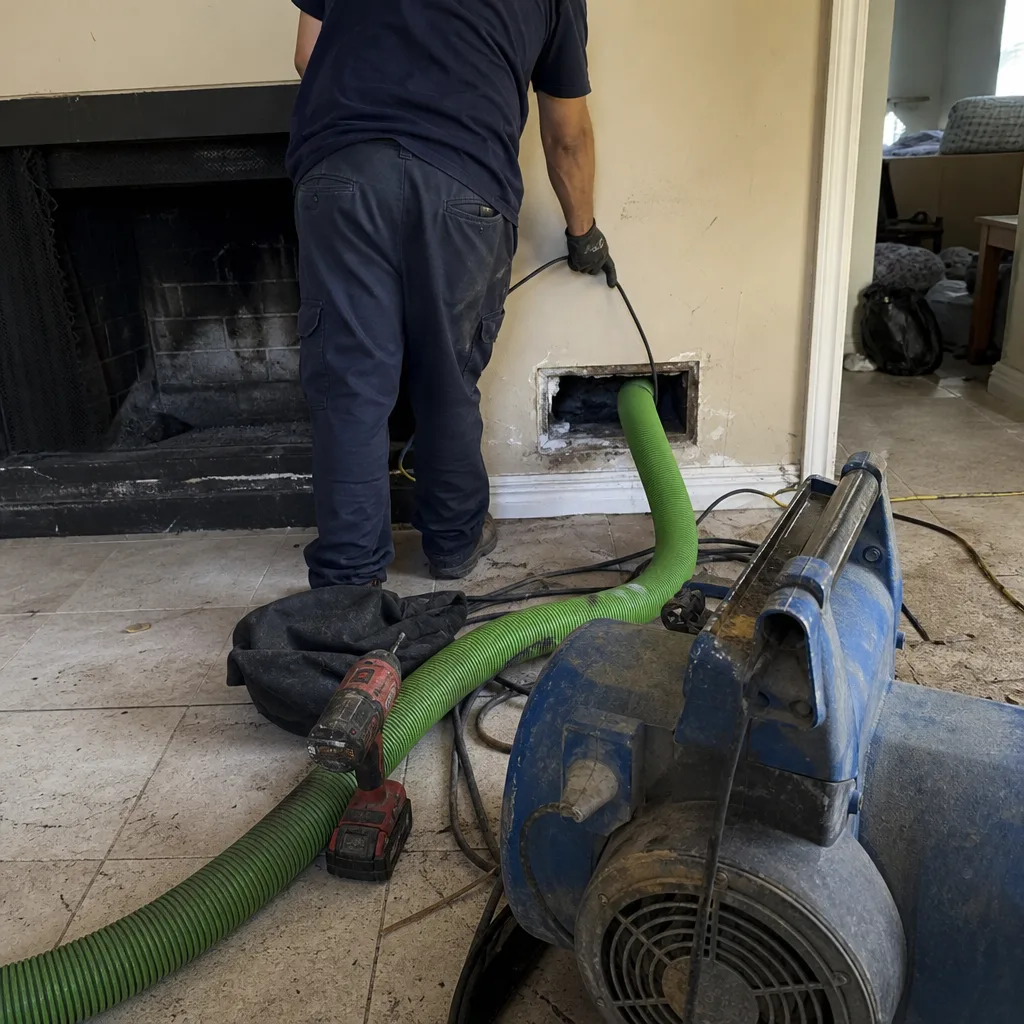 Before
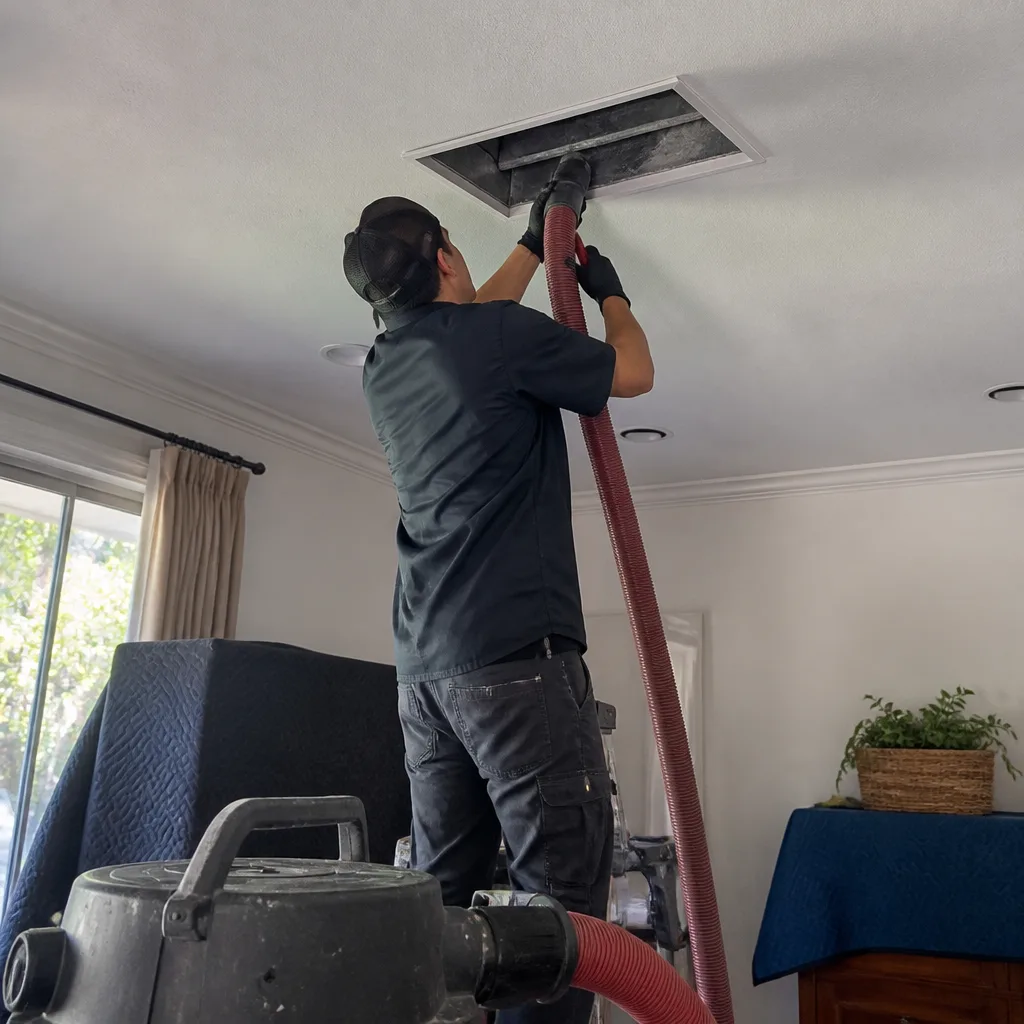 After
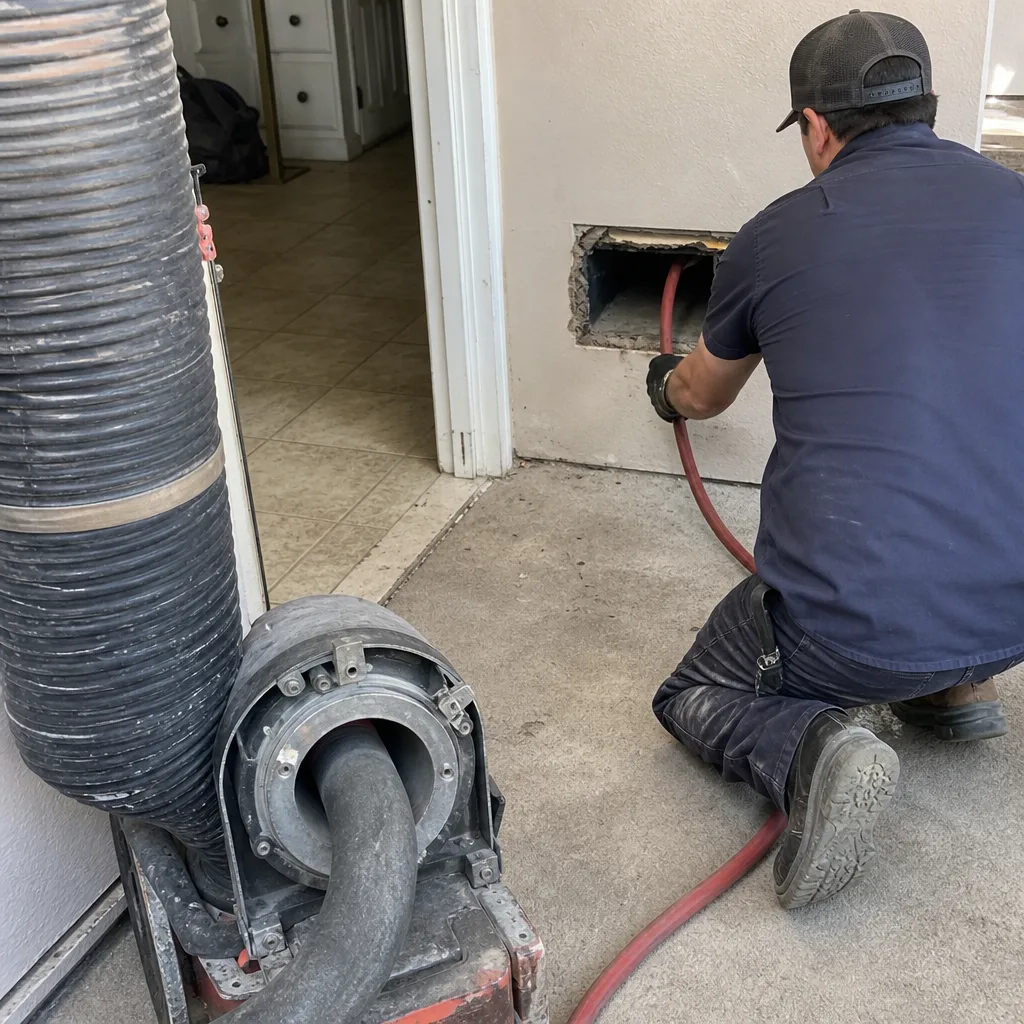 Before
 After
 Before
 After